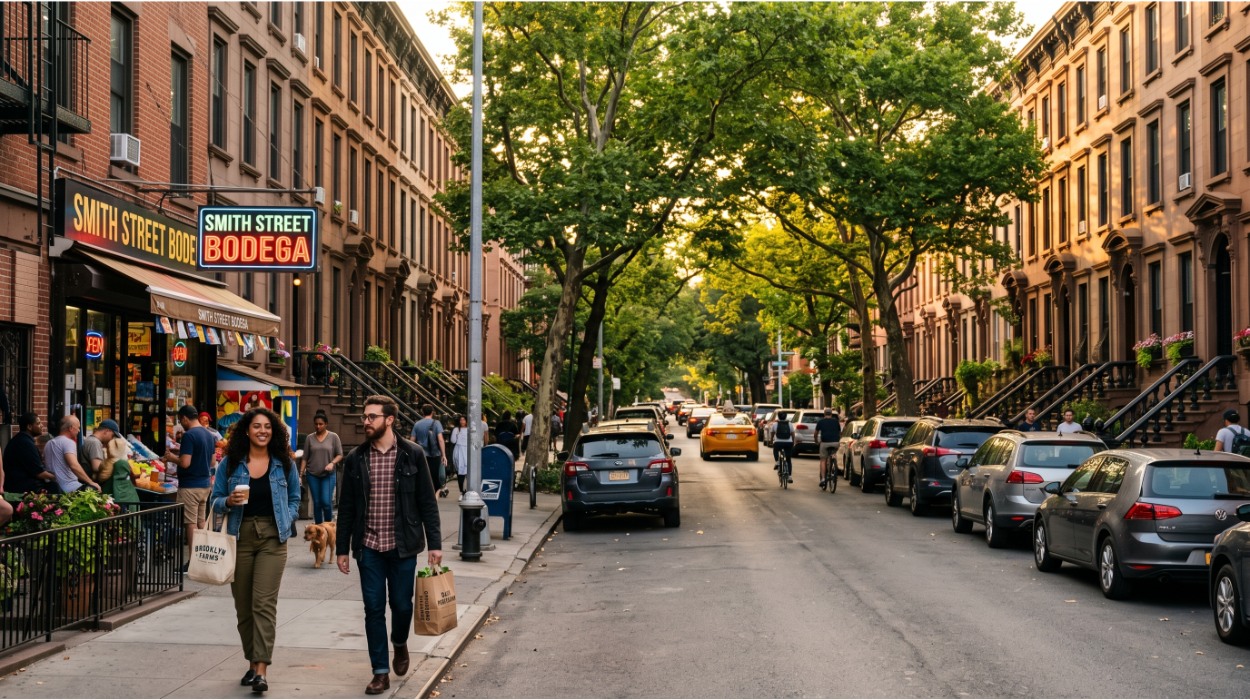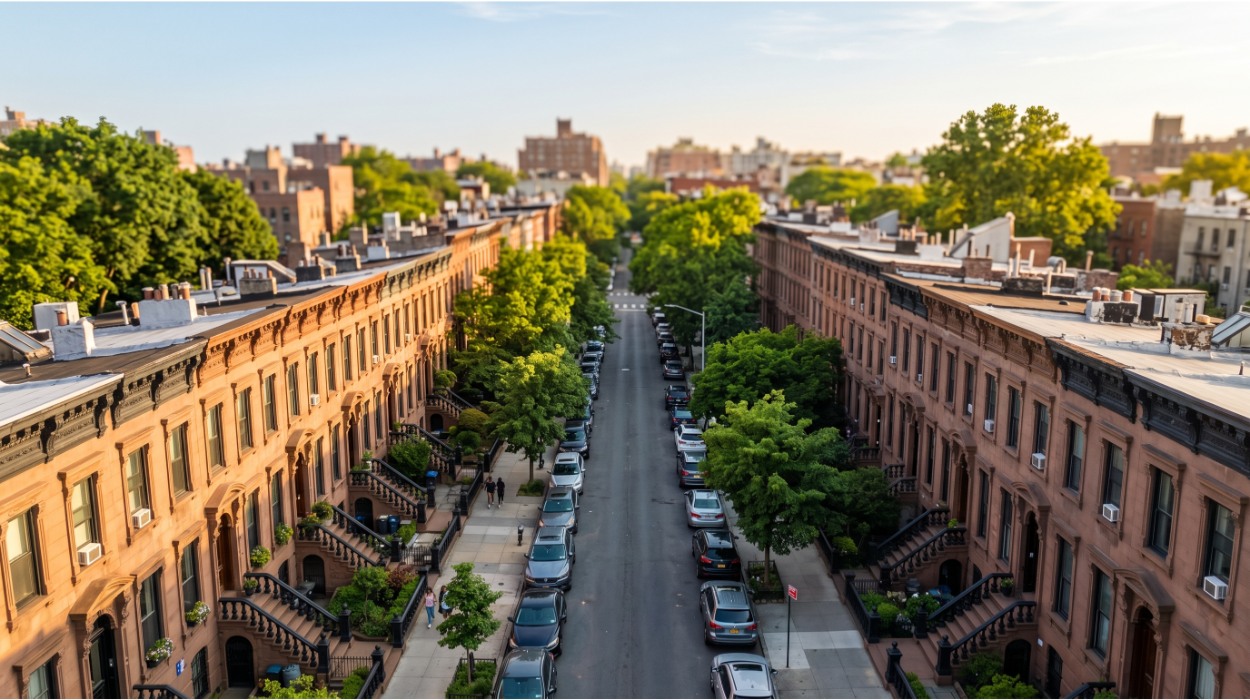

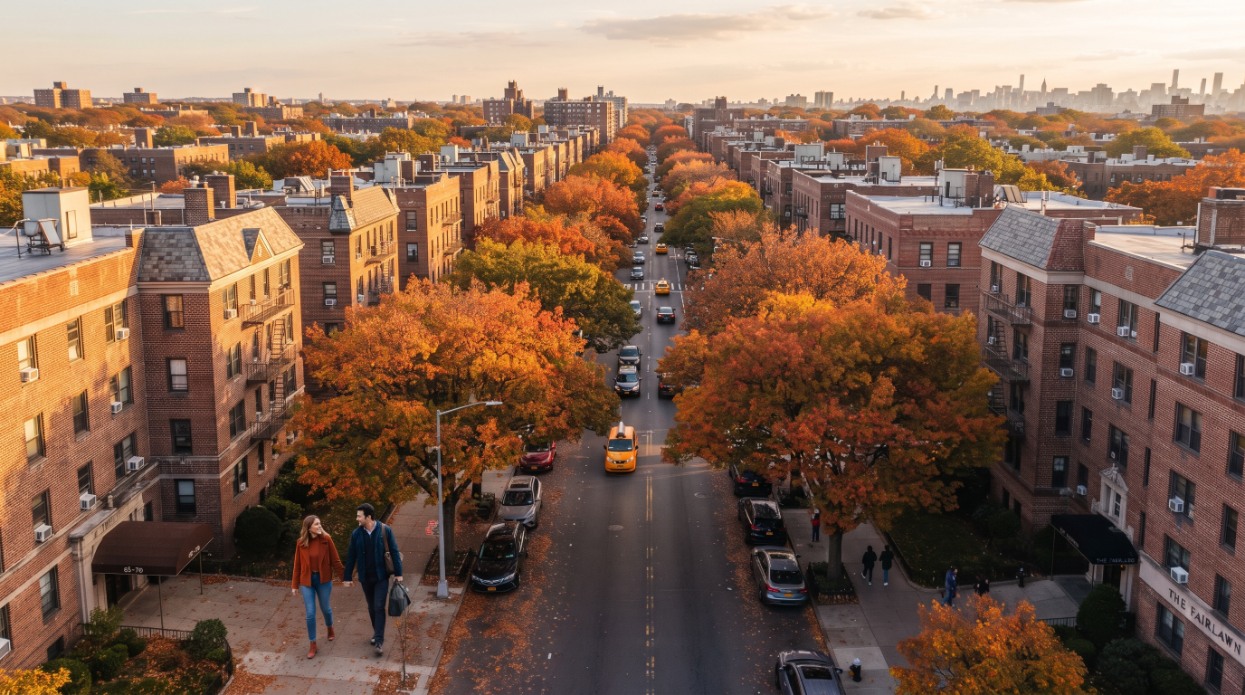
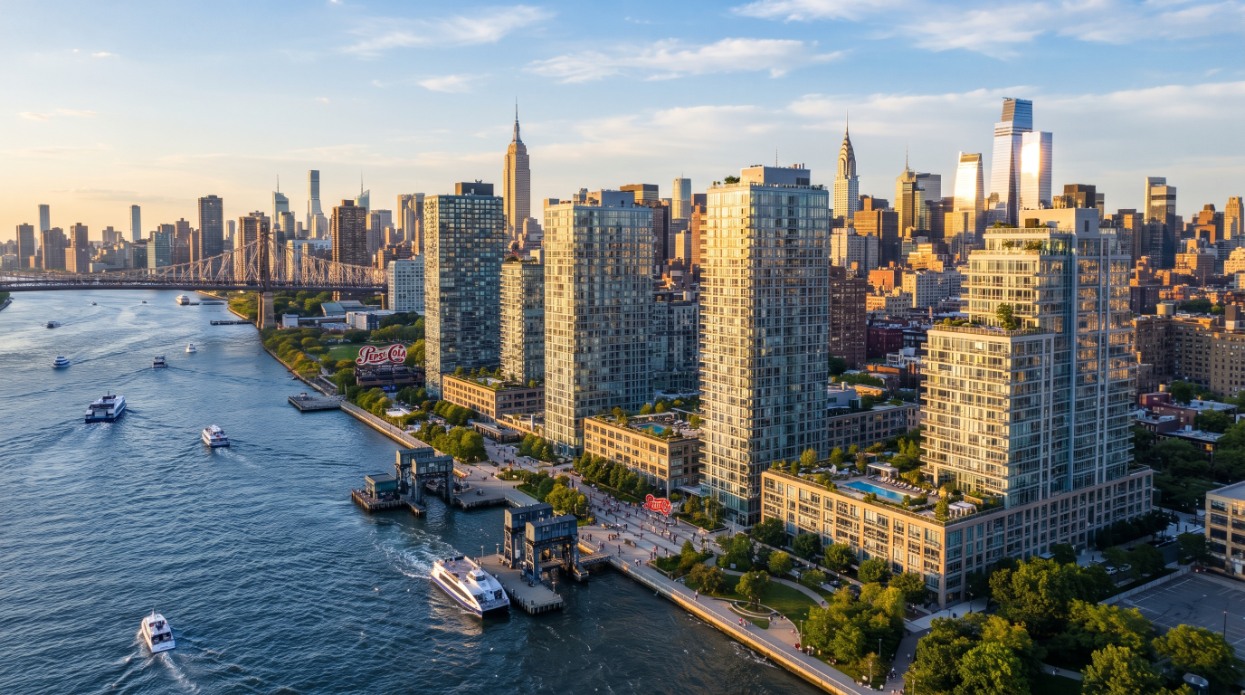
If you have been hunting for an apartment or a home in New York this fall, the market has probably felt both expensive and a little unforgiving. The reports that landed this month help explain that feeling. They also show something easy to miss if you only read the citywide headlines: the rent-versus-buy math changes a lot from one neighborhood to the next.
The rental market is still tight
StreetEasy’s October 2026 report put the citywide median asking rent at $4,100, up 3.8% from a year earlier. Homes for rent fell 15.2%, to 27,084 listings. In Manhattan, the median asking rent rose 8.6% to $4,995, with inventory down 17.3%. Brooklyn’s median asking rent was $3,866, up 3.1%. Queens rose 4.7% to $3,350.2
Those are asking rents — the prices listed, not necessarily what every tenant signed. Corcoran tracks signed leases, and its October report told a similar story with different numbers. Manhattan’s median rent came in at $5,279, down 2% from September’s record high, but still up 6% year over year. Vacancy there fell to 1.31%, the lowest Corcoran has recorded in any month since March 2020. Brooklyn’s median rent hit a record $4,400, up 7% from a year earlier, as listings dropped 22% to 3,283.1
For market-rate renters, the picture is fairly plain. Good apartments are still scarce, and nothing in this data points to a broad price collapse over the winter. Concessions also thinned out: 18.4% of listings offered them citywide, down from 22.5% a year earlier. If you are shopping, have your paperwork ready and look at more than one neighborhood. Under the FARE Act, in effect since June 11, 2025, a landlord’s broker or a listing broker cannot charge you a broker fee, and required fees have to be disclosed before you sign a lease.210
Rent-stabilized tenants have a different set of rules
If you have a rent-stabilized apartment or loft, the Rent Guidelines Board’s Order #58 is the one that matters right now. For leases starting or renewing between October 1, 2026, and September 30, 2027, the board set a 0% adjustment — a rent freeze — on both one- and two-year leases. That does not apply to unregulated market-rate units. If you are unsure about your status, check the lease and the registration before assuming the freeze covers you.9
The freeze has also become part of a louder argument about vacant stabilized apartments. At the New York Times DealBook Summit on November 18, Mayor Zohran Mamdani was asked about tens of thousands of rent-stabilized units registered as vacant. A widely cited state figure puts vacant registered units at about 57,000 in 2025; The Real Deal reported an updated total above 60,000. The mayor said only about 6,000 units have been vacant for five years, and that much of the larger number includes newly built stabilized housing that is still being leased. Industry groups, including the New York Apartment Association and REBNY, say the problem is larger and that repairs are often hard to finance under current rules. A City Council bill from Farah Louis, backed by Speaker Julie Menin, would require the city to study why units sit empty and recommend ways to bring them back onto the market — a step that could ease pressure in a city where overall vacancy is still very low.345
Mortgage rates jumped back — but some neighborhoods still work
Buyers got less of a break on rates this week. Freddie Mac reported on November 19 that the average 30-year fixed mortgage rose to 7.28%, up from 7.11% the week before and 6.26% a year earlier. The 15-year rate rose to 6.66% from 6.45%. That ended a four-week decline.6
StreetEasy estimated that, at October’s citywide median sale price of $900,000, a buyer putting 20% down would take 14.5 years to come out ahead of a renter financially, up from 12.4 years in October 2025. That is a citywide estimate, not a rule for every block. In five neighborhoods — Rego Park, Oakland Gardens, Riverdale, Kew Gardens Hills, and Forest Hills — StreetEasy found a new homeowner could pull ahead in under five years. Rego Park had the shortest window, at 2.8 years, with a $330,000 median sale price and a $2,999 median asking rent. Queens accounted for six of the ten neighborhoods with the fastest breakeven periods. For a longer look at how Queens sales have actually traded, see our Queens market report.2
These figures rest on assumptions about taxes, maintenance, and rent growth. They are not a prediction for any one household, and a lender’s quote will matter more than a headline average. Closing costs do too, including the mortgage recording tax. Still, they are a useful reminder that “the NYC market” is really a lot of local markets.
The rent-versus-buy math changes a lot from one neighborhood to the next.
Talk through your sale with an agent, or request a free valuation of your NYC home.
Mon – Sat · 9 AM – 7 PM ET
New homes are coming, just not overnight
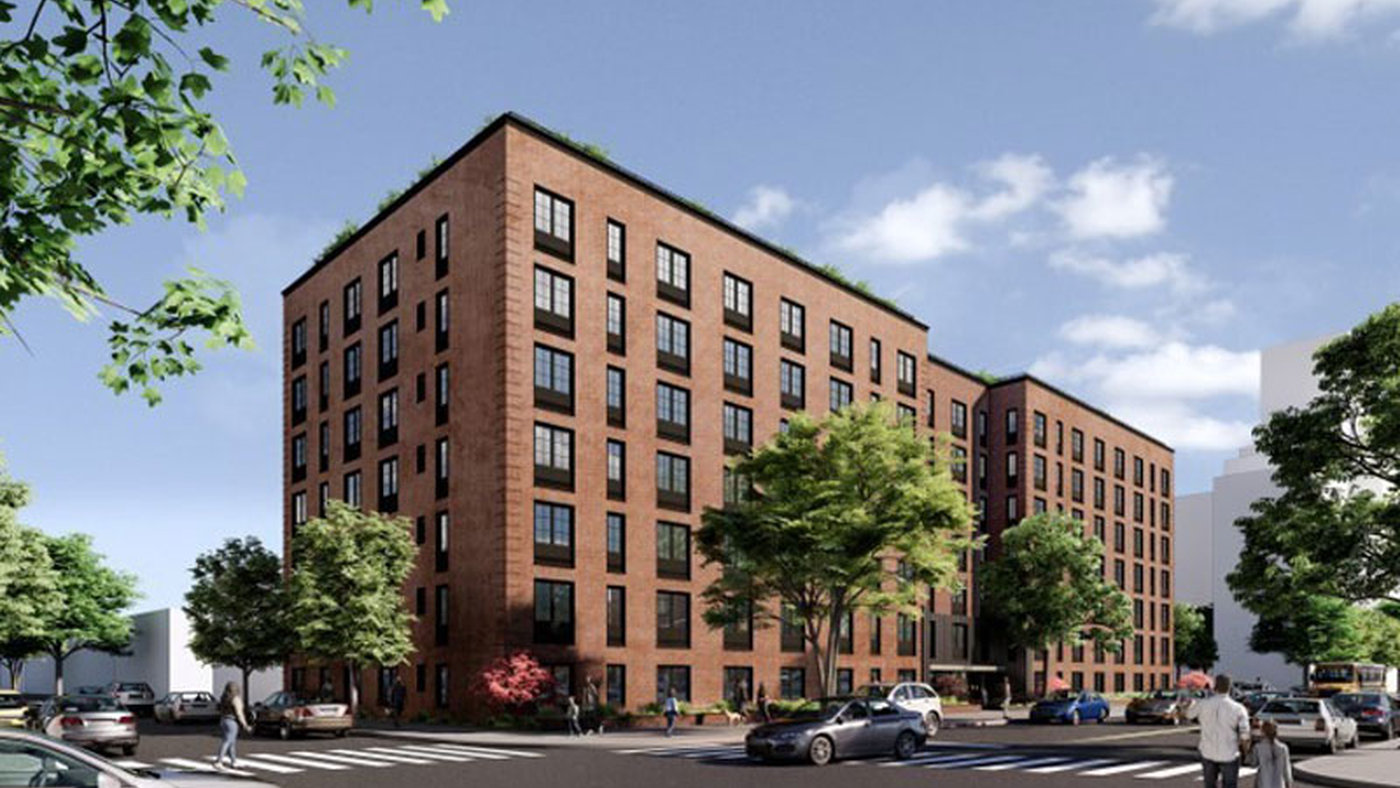
Supply is moving, slowly. On November 18, the city broke ground on 134 homes at 665 New York Avenue in Brooklyn, including 90 affordable apartments, on a site vacant since a 2012 fire. The same day, Governor Kathy Hochul announced that the MTA Board approved a Crown Heights project with about 375 homes, including at least about 90 permanently affordable units. Those projects are welcome. They will also take time to finish.78
If you are renting or buying this winter, work from current numbers, not last year’s assumptions. NestIt NYC can help you compare apartments and neighborhoods and walk through the rent-versus-buy question against your budget. Start on our home buying page, or browse more market insights.
Frequently Asked Questions
Is it cheaper to rent or buy in NYC this winter?
It depends on the neighborhood, the down payment, and the interest rate you are actually quoted. StreetEasy’s citywide estimate, using October’s $900,000 median sale price and 20% down, put the breakeven at 14.5 years — longer than a year earlier. In Rego Park, Oakland Gardens, Riverdale, Kew Gardens Hills, and Forest Hills, the same analysis found buyers could pull ahead in under five years.26
What is a typical NYC rent right now?
StreetEasy put the citywide median asking rent at $4,100 in October 2026. Corcoran, which tracks signed leases, reported a $5,279 median in Manhattan and a record $4,400 median in Brooklyn. The two series are not interchangeable, but both point to a tight market, not a broad price drop.12
Do rent-stabilized tenants get a rent freeze in 2026–27?
For rent-stabilized apartments and lofts, yes: RGB Order #58 sets a 0% adjustment on both one- and two-year leases commencing October 1, 2026, through September 30, 2027. Market-rate, unregulated units are not covered. Confirm the unit’s registration before you assume the freeze applies.9