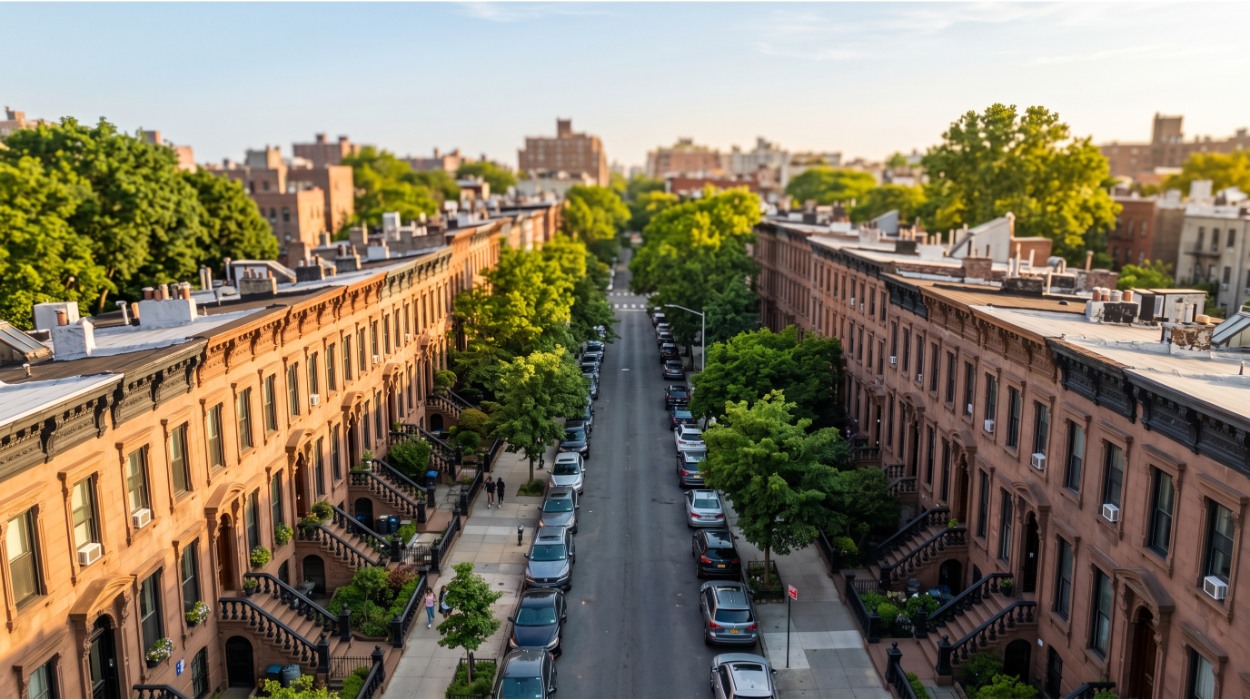

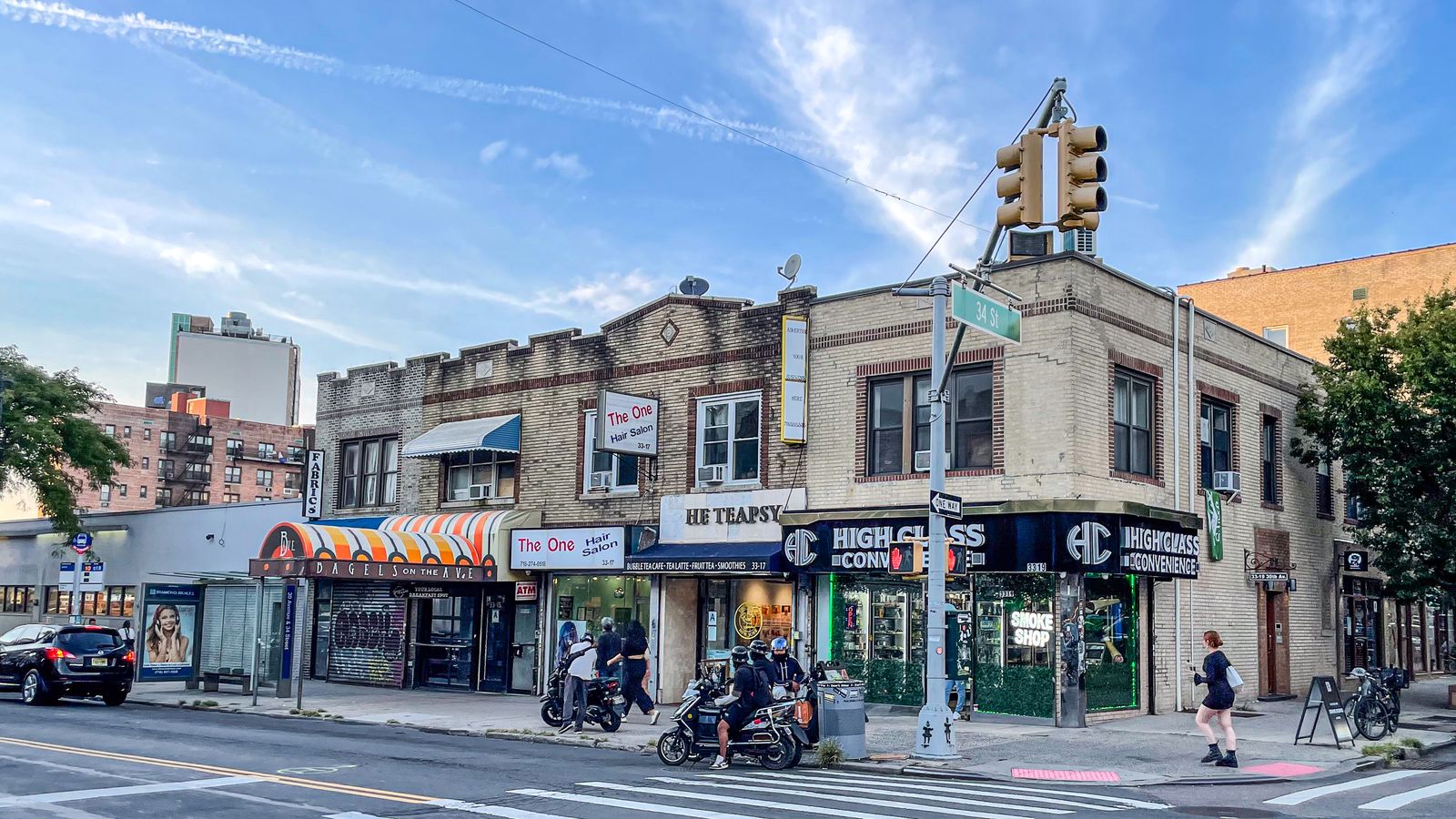
Queens has over 60 named neighborhoods and 2.3 million residents spread across the most ethnically diverse urban county in the country. Most guides cover the same five areas. That gap between what exists and what gets recommended means a lot of people settle in the obvious spots and overpay for the privilege.
Three Queens neighborhoods landed in StreetEasy's top 10 hottest markets for 2026. The borough still runs 30–50% below Brooklyn on a per-square-foot basis and holds more co-op inventory than any other borough — opening doors for first-time buyers who can't clear Manhattan's financial hurdles. Median home prices across the borough sit around $595K, but individual neighborhoods range from under $300K to over $1M depending on housing type and location.
Each neighborhood below includes rent ranges, home price ranges, Walk Score, commute time, safety data, and a "best for / skip if" verdict. These are the neighborhoods that consistently earn top spots across affordability, transit, safety, and lifestyle data. For a full geographic overview, see the complete Queens neighborhood map covering all 90+ areas. For buyers ready to act, our Queens homes for sale guide covers co-op boards, closing costs, and down payment options in detail.
Long Island City — Best for Manhattan Commuters Who Want Space
Under 10 minutes to Grand Central on the 7 train. No neighborhood in Queens, and very few in all of NYC, can match that door-to-platform speed. The E and M from Court Square add a second route into Midtown, giving you rare subway redundancy for western Queens.
Rent runs in the $2,800–$3,200 range for a one-bedroom. Median asking price for buying sits around $1.09M — a premium for Queens, but it undercuts comparable Manhattan waterfront buildings by a wide margin. Most of the inventory is new-construction condos, so co-op bargains are scarce here.
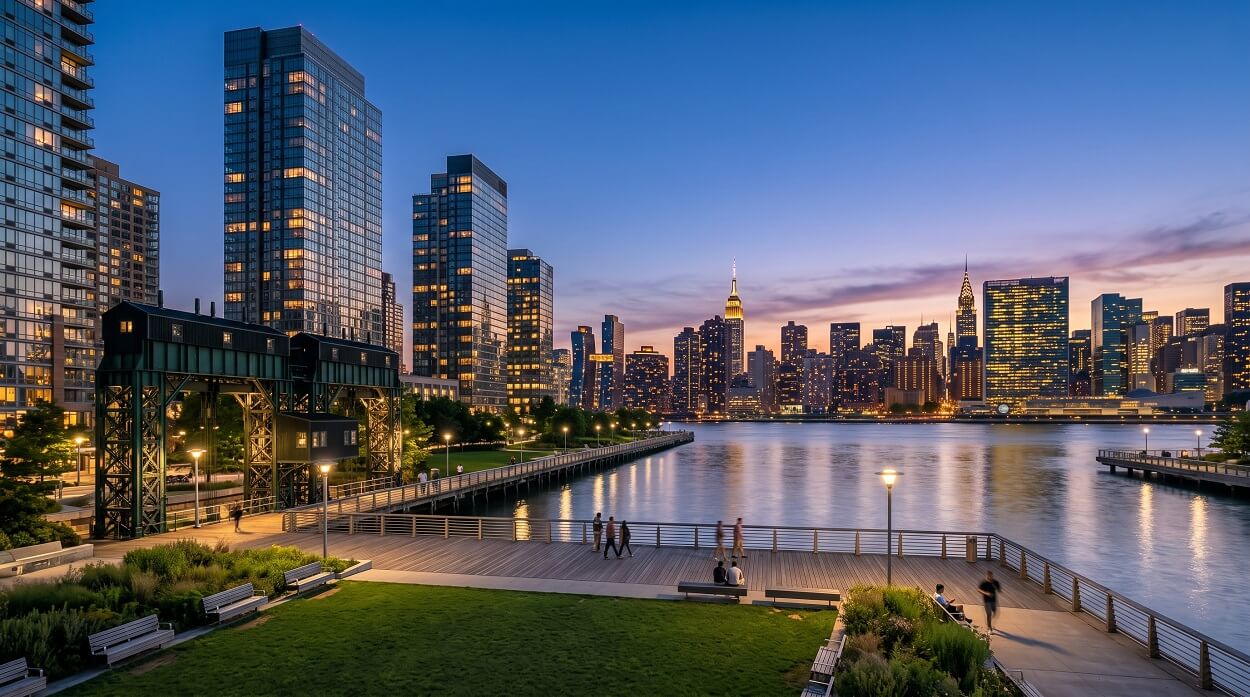
LIC leads the borough in new building permits. Gantry Plaza State Park gives you one of the best waterfront stretches in the city, with direct views of the Manhattan skyline. Walk Score hits 96 around Hunters Point.
Best for: Professionals who want the fastest commute in Queens plus modern amenities.
Skip if: You want neighborhood charm or you're watching your budget closely.
Astoria — Best for Young Professionals and Nightlife
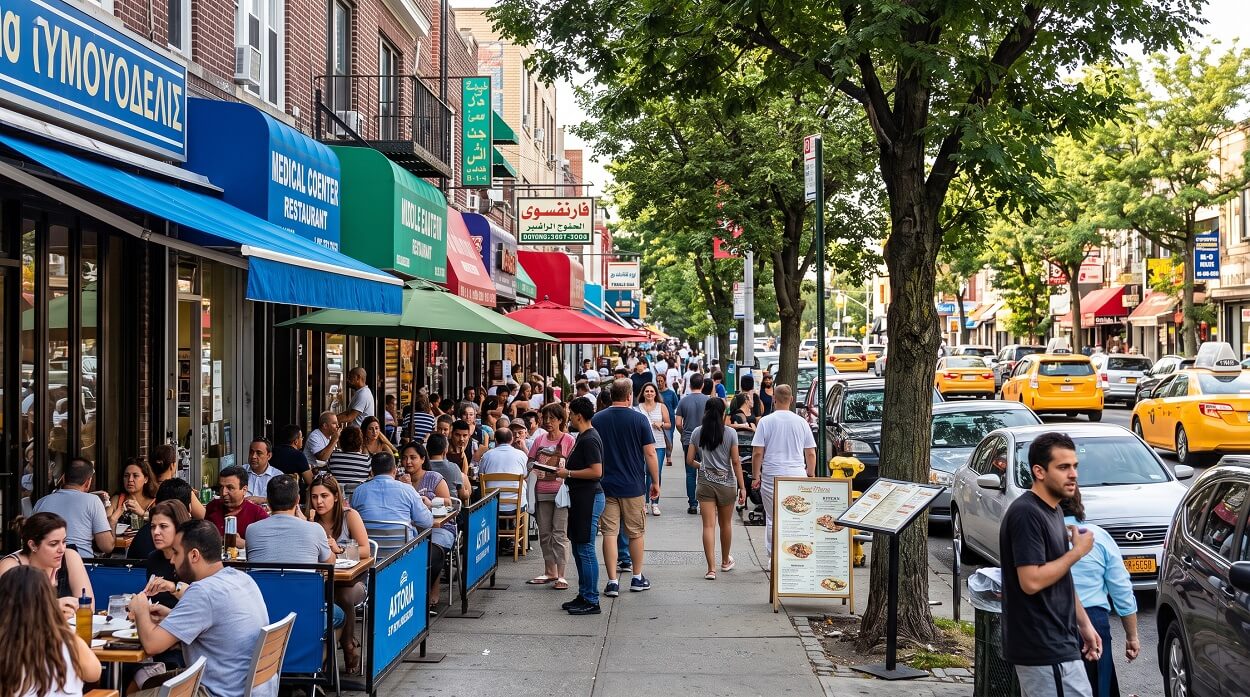
Astoria tops every best-of list in Queens, and for good reason. But nobody in those lists mentions the LaGuardia flight path or the fact that street parking basically doesn't exist.
Rent ranges from around $2,100–$2,500 for a one-bedroom. Median home sale price hit roughly $1.06M in Q1 2026, up 39% year-over-year — a signal that this market is heating fast. If you're buying, know that you're competing against heavy demand. Walk Score is 95. The N/W trains get you to Midtown in 15–20 minutes.
Steinway Street is a legitimate dining destination. Bohemian Hall and Beer Garden is the oldest beer garden in NYC. Astoria Park has an Olympic-size pool and views of the Hell Gate Bridge. The Museum of the Moving Image rounds out a lifestyle offer that delivers more per block than almost anywhere in the outer boroughs.
Best for: 25-to-35-year-olds who prioritize walkability, dining, and nightlife.
Skip if: You need quiet nights or rely on a car.
Sunnyside — Best Value for First-Time Buyers
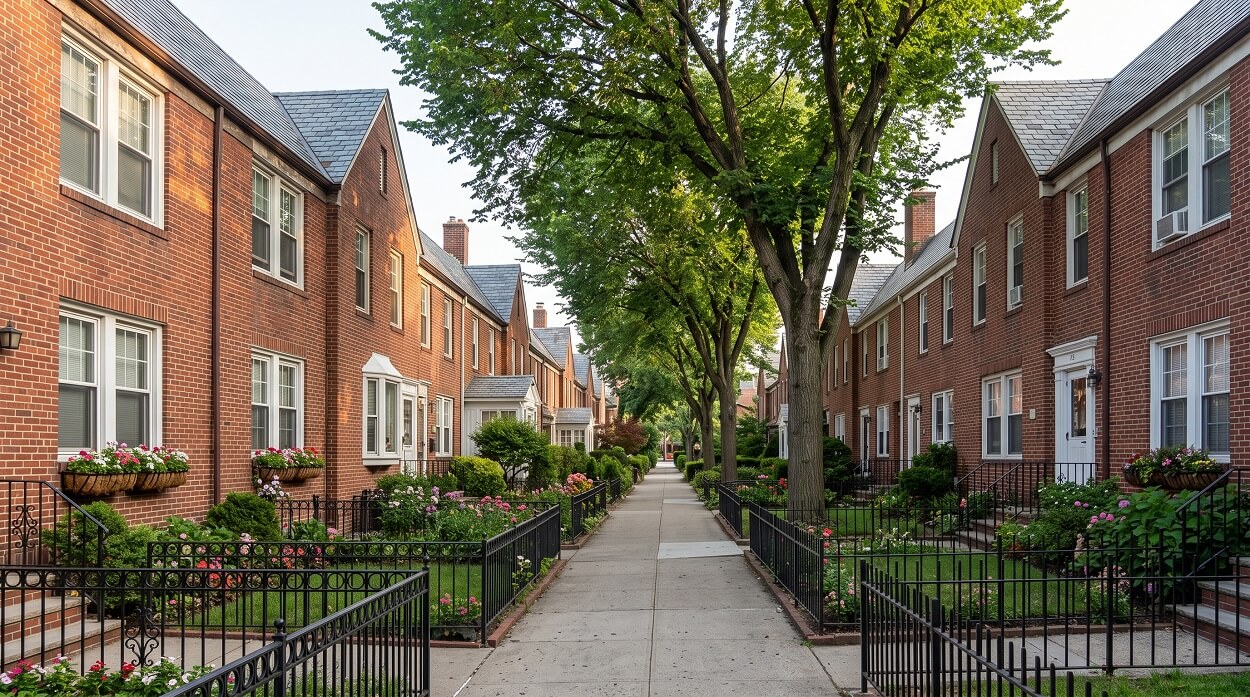
StreetEasy ranked Sunnyside the #7 hottest market in NYC for 2026, driven by a 43.7% surge in search interest. The neighborhood that most people couldn't locate on a map is suddenly one of the most in-demand.
Rent runs in the $1,900–$2,300 range for a one-bedroom. Median asking price is around $475K — compare that to Astoria at $1.06M and LIC at $1.09M. Buyers who purchased in 2023 or 2024 have seen roughly 10–11% annual appreciation. Walk Score is 96. The 7 train gets you to Midtown in 18–25 minutes.
Sunnyside Gardens, the 1920s planned community, gives the neighborhood a historic character most of Queens can't match. Skillman Avenue has emerged as a solid dining corridor with a weekend greenmarket. Queens co-ops here run 15–25% cheaper than condos, with boards that accept 10–20% down. For first-time buyers, this is where the math stretches furthest.
If you bought in Astoria five years ago, you'd be sitting on serious equity. Among all the best places to live in Queens right now, Sunnyside is where that math works today. See our guide on NYC down payment assistance programs if you're ready to move on it.
Best for: First-time buyers and value-focused renters.
Skip if: You need subway redundancy or want a big nightlife scene.
The right neighborhood in Queens can save you $30,000–$60,000 over five years in property taxes alone.
Get matched with a licensed Queens agent — at no cost to you.
Mon – Sat · 9 AM – 7 PM ET
Ridgewood — Best for Creatives and Long-Term Appreciation
StreetEasy named Ridgewood the #1 NYC neighborhood to watch for two consecutive years — 2025 and 2026. When data analysts keep picking the same spot, it's worth asking what they see that most buyers don't.
Rent ranges from around $1,800–$2,200 for a one-bedroom. The headline median asking price reflects multi-family housing stock; individual unit prices come in significantly lower. Walk Score is 94. The M and L trains connect you to Williamsburg and Union Square, with a commute of 25–35 minutes to Midtown. Myrtle-Wyckoff functions as a transit hub where the M and L intersect.
Ridgewood sits right on the Queens-Brooklyn border. You get Brooklyn-adjacent culture — the cafes and galleries clustering around Myrtle-Wyckoff — at Queens pricing. The historic yellow-brick rowhouses are architecturally distinct. Craft breweries, affordable studio spaces, and a growing gallery scene mark the creative migration from Bushwick. Rents for commercial space still run well below Williamsburg, which is why artists and small-business owners keep crossing the border.
Best for: Creatives, remote workers, and investors betting on continued appreciation.
Skip if: A short commute is non-negotiable. Neither the M nor the L runs express, and late-night service is limited.
Forest Hills — Best for Families with School-Age Kids
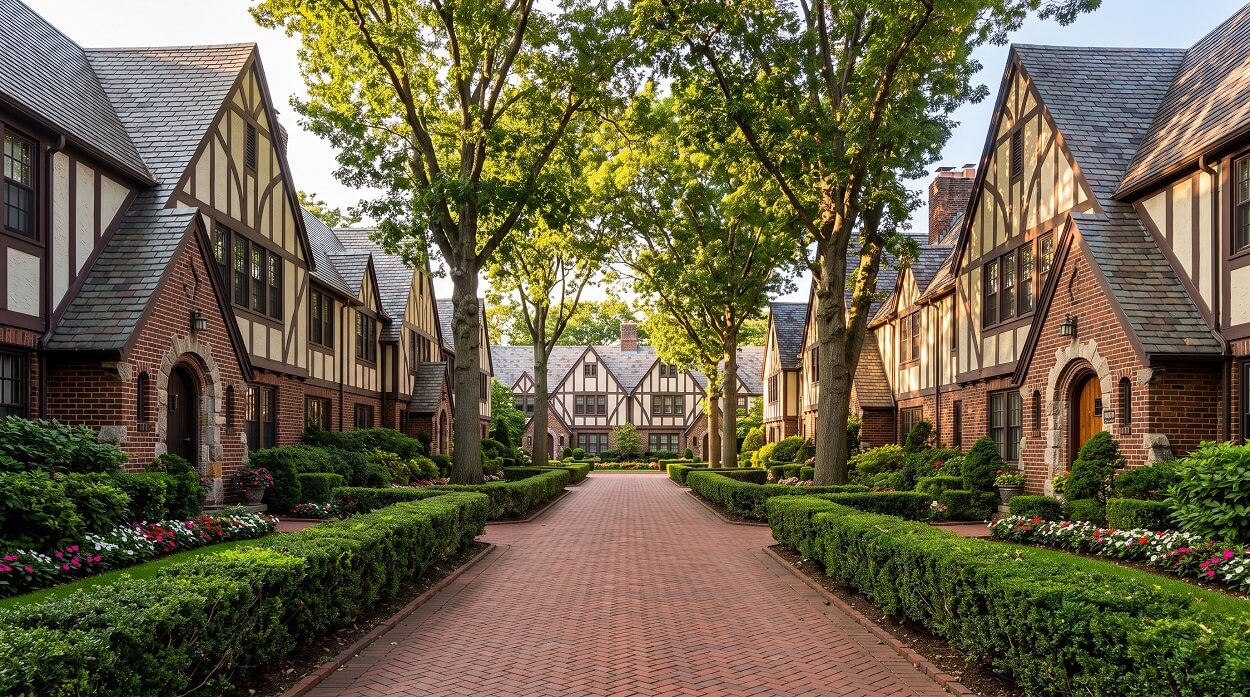
Forest Park covers 538 acres. Forest Hills sits in one of Queens' safer precincts. Forest Hills High School carries an A-minus Niche rating, and the E/F express gets you to Penn Station in 25 minutes. That combination is hard to replicate anywhere in NYC.
Rent runs in the $2,000–$2,500 range for a one-bedroom. Home prices range from roughly $425K to $680K, with co-ops at the lower end and single-family houses at the upper end. Walk Score is 92.
Austin Street is the neighborhood's dining and shopping hub. Forest Hills Stadium hosts summer concerts and draws crowds from across the borough. Forest Hills Gardens, the Tudor-style planned community, has massive co-op stock — these boards typically accept 10–20% down. Note that many co-ops here carry subletting restrictions, so confirm the policy before buying if rental income matters to you.
For a deeper look at the full family-friendly landscape across Queens, see our best neighborhoods in Queens for families guide.
Best for: Families who want the closest thing to suburbs with a 25-minute express to Midtown.
Skip if: You want nightlife or need hard safety stats to match the neighborhood's reputation.
Jackson Heights — Best Transit Access at the Lowest Entry Price
Walk Score 98. Five subway lines: E, F, M, R, and 7. No neighborhood on this list has better transit coverage, and very few in all of NYC can compete. Bus connections along Roosevelt Avenue add crosstown routes that most subway-only neighborhoods lack.
Rent runs in the $1,800–$2,200 range for a one-bedroom. Median one-bedroom sale price is around $295K — the lowest homebuying entry point on this entire list. Commute time to Midtown is 22–30 minutes depending on which line you catch.
Jackson Heights was NYC's first planned garden community. The pre-war co-ops are architecturally significant, built around shared interior gardens that remain some of the borough's most distinctive residential spaces. 74th Street is one of the best corridors for South Asian food in the country. Roosevelt Avenue anchors Latin American culture.
Best for: Budget-conscious transit riders who want connectivity and cultural richness.
Skip if: Safety is your top priority or you need quiet streets.
Flushing — Best for Food, Culture, and Top-Tier Schools
Townsend Harris High School ranks #7 in New York State, carries an A-plus Niche rating, and posts 100% college enrollment. If schools drive your housing decision, that single data point changes the conversation.
Rent averages around $2,200–$2,600 for a one-bedroom. Median home price sits near $638K. The commute is the trade-off: 35–45 minutes to Times Square on the 7 train. The 7 gets packed during rush hour, and you'll stand for most of it. The LIRR's Murray Hill station offers a second route into Penn Station, cutting the trip to around 25 minutes at a higher fare.
Flushing's Chinatown rivals Manhattan's in scale and arguably surpasses it in food quality. New World Mall's basement food court is a destination on its own. Main Street is one of NYC's busiest commercial corridors outside Manhattan. Flushing Meadows-Corona Park, at 898 acres, is the borough's largest green space and sits right next door.
Best for: Families willing to trade commute time for an elite public school and a culturally rich, self-sufficient neighborhood.
Skip if: You need to be in Midtown in under 30 minutes.
Bayside — Best for Safety and Suburban Living
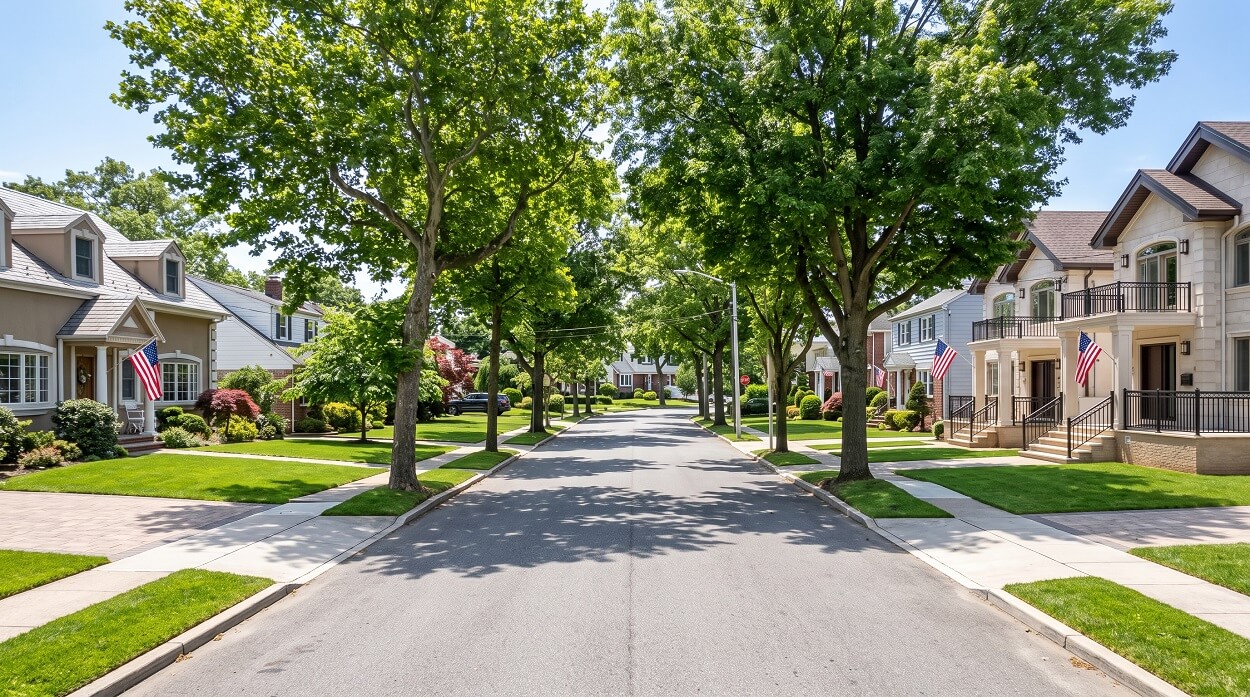
The 111th Precinct covering Bayside records among the lowest crime numbers of any precinct in NYC. Northeast Queens — including Bayside, Douglaston, and Little Neck — logs roughly 2,795 crimes per year. Northwest Queens logs around 14,283. That's roughly five times safer by the numbers. For the full breakdown, see our safest neighborhoods in Queens guide.
Bayside sits in the upper tier of the Queens market. The median home price is around $899K, reflecting detached houses with yards. This is not a starter-home neighborhood. There's no subway — Bayside runs on the LIRR, which gets you to Penn Station in about 35–40 minutes.
Bell Boulevard has a solid restaurant row. Fort Totten gives you waterfront park access on Little Neck Bay. The housing stock is detached, with lawns and driveways that feel more like Long Island than NYC. Bayside High School posts strong proficiency numbers without the competitive admission barrier of Townsend Harris.
Best for: Families and retirees who prioritize safety and space over nightlife and subway access.
Skip if: You're a young professional who wants urban energy, or you don't have a car.
Kew Gardens — Best Hidden Gem for Homebuyers
Median asking price around $365K — that makes Kew Gardens StreetEasy's #6 pick for homebuyers in 2026. Compare that to Forest Hills next door at $425K–$680K, or Sunnyside at $475K. The price gap between Kew Gardens and its neighbors is the widest on this list relative to what you actually get.
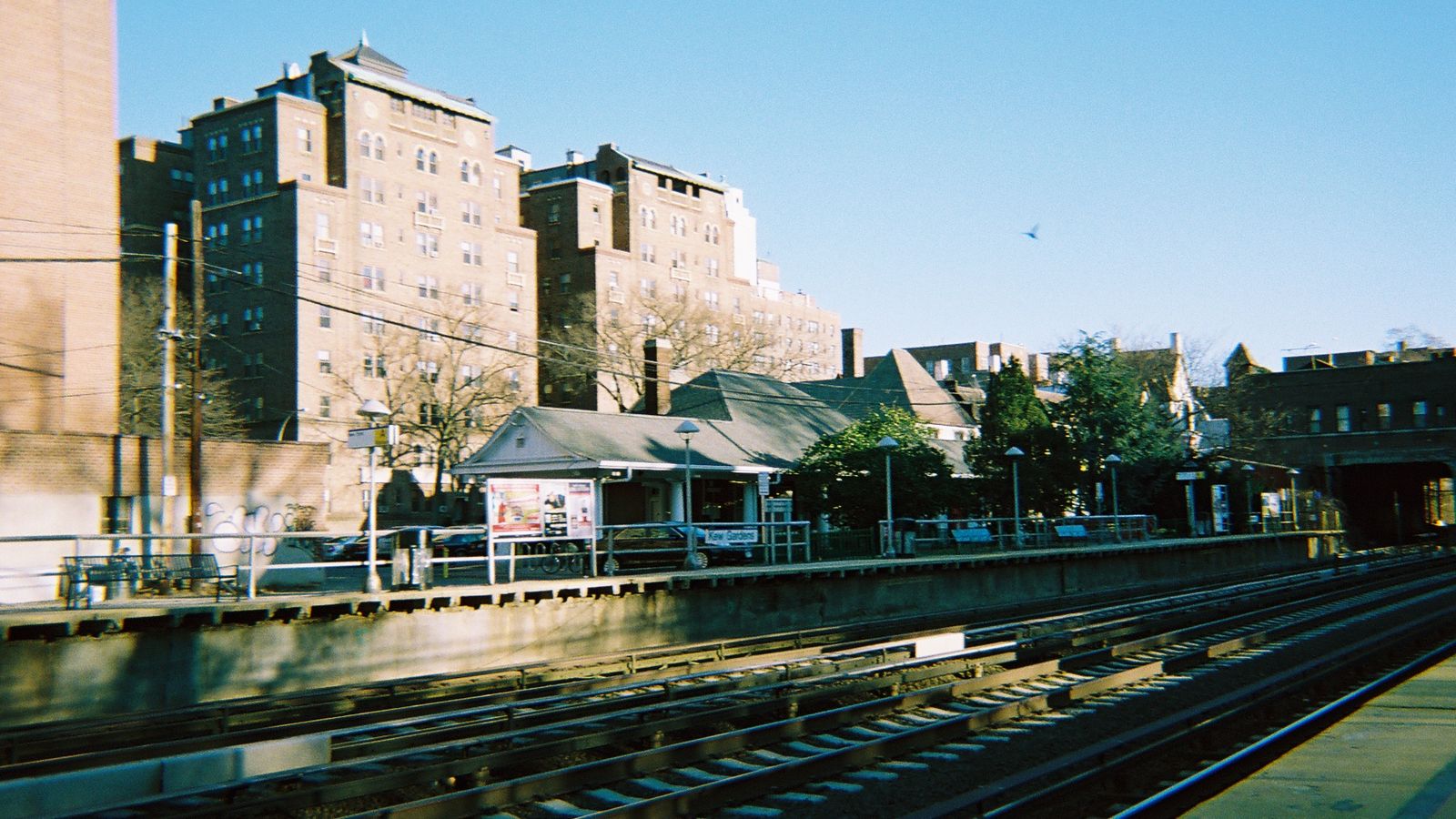
Kew Gardens shares Forest Park's 538 acres with Forest Hills. Same park, similar safety profile, E/F subway access plus an LIRR stop. Commute to Midtown runs about 30–35 minutes. Tudor-style houses near the park give it a visual identity that's distinct from new-construction builds elsewhere. Lefferts Boulevard serves as the main commercial strip with a growing roster of restaurants and coffee shops.
Inventory grew roughly 8% year-over-year, which means more options for buyers than there were 12 months ago. The E train also connects Kew Gardens to JFK via the AirTrain. Most affordable neighborhoods in Queens are covered in depth in our affordability guide if you want a fuller comparison.
Kew Gardens is what Forest Hills was 10 years ago, and the price gap won't last.
Best for: First-time buyers who want value near Forest Park without Forest Hills pricing.
Skip if: You need restaurants and nightlife within walking distance.
Elmhurst — Most Underrated Walkable Neighborhood in Queens
Walk Score 97. Five subway lines: E, F, M, R, and the 7. Average one-bedroom rent around $1,700. Every box checked except name recognition.
Elmhurst is the neighborhood that data loves and guides ignore. The gap between its walkability and transit scores and its rent prices is objectively the widest in Queens. You're getting Jackson Heights-level connectivity at even lower rent. Commute to Midtown takes about 25 minutes. Queens Center Mall anchors the commercial core, with Rego Park's additional retail a short walk north.
The food scene along Broadway is deep and diverse. Thai Town clusters between 79th and 82nd Streets, and the broader corridor pulls from the same cultural depth that makes Jackson Heights and Flushing destinations. You're positioned between those two neighborhoods geographically — access to both without paying either's premiums.
Elmhurst doesn't have a trendy identity. There's no Instagram-ready streetscape or brewery row. It's functional, affordable, and well-connected. See the full Queens neighborhood map guide to understand how Elmhurst fits into the borough's broader geography.
Best for: Budget renters who care about walkability and transit over aesthetics.
Skip if: You want a neighborhood with a strong visual identity or active nightlife scene.
Frequently Asked Questions
What are the best neighborhoods to live in Queens?
The best neighborhoods to live in Queens depend on your priorities. For commute speed: Long Island City (under 10 min to Grand Central). For value: Sunnyside (median asking around $475K, 10–11% annual appreciation). For families: Forest Hills or Bayside. For affordability: Elmhurst (around $1,700/mo average rent) or Jackson Heights (co-op entry around $295K). For creatives: Ridgewood. Every neighborhood in this guide outperforms the borough median on at least one key metric.
What is the safest neighborhood in Queens?
Bayside and the broader Northeast Queens corridor, covered by the 111th Precinct, record the lowest crime numbers in the borough. NE Queens logs roughly 2,795 crimes per year compared to about 14,283 in Northwest Queens. If safety is your primary filter, Bayside, Douglaston, and Little Neck should top your search. Our Queens safety guide ranks every area by violent crime rate per 1,000 residents.
What is the most affordable neighborhood in Queens?
For renters, Elmhurst averages around $1,700 per month for a one-bedroom. For buyers, Kew Gardens has a median asking price near $365K, Jackson Heights offers one-bedroom co-ops around $295K, and Sunnyside has co-ops in lower entry-level ranges. Queens co-ops in general run 15–25% cheaper than condos. See our most affordable Queens neighborhoods guide for a full breakdown.
Is Queens a good place to buy a home in 2026?
Yes. Sunnyside has posted roughly 10–11% annual appreciation over the past two years. Ridgewood earned StreetEasy's #1 neighborhood to watch for two consecutive years. Kew Gardens offers a median around $365K in a borough where the overall median sits around $595K. Queens co-ops come with lower down payments (10–20%) and faster board approvals (3–4 weeks) than Manhattan. Check our Queens homes for sale guide for current inventory data.
How long is the commute from Queens to Manhattan?
It depends entirely on the neighborhood. LIC is under 10 minutes to Grand Central. Astoria and Sunnyside run 15–25 minutes. Forest Hills, Ridgewood, and Jackson Heights range from 25–35 minutes. Flushing and Bayside (via LIRR) take 35–45 minutes. Every listing in this guide includes specific commute times.
What are the best schools in Queens?
Townsend Harris High School in Flushing ranks #7 in New York State with an A-plus Niche rating and 100% college enrollment. Forest Hills High School earns an A-minus. Bayside High School posts strong reading and math proficiency scores. Across the borough, Queens elementary schools average 54% math proficiency versus 52% statewide. For a deeper look, see our best Queens neighborhoods for families guide.
Should I buy a co-op or condo in Queens?
Co-ops are 15–25% cheaper than condos in Queens and dominate the borough's housing stock. Queens co-op boards typically accept 10–20% down and approve buyers in 3–4 weeks. You also skip title insurance and mortgage recording tax at closing. Condos offer more flexibility for subletting and resale. If you plan to stay five-plus years and don't need to sublet, co-ops are generally the better financial play.
Is Queens better than Brooklyn for first-time buyers?
For pure value, yes. Queens rents run 10–20% below comparable Brooklyn neighborhoods. The clearest example: Ridgewood on the Queens side versus Bushwick on the Brooklyn side. Same L train, same vibe, but Queens co-op prices can run 20–40% lower. Queens typically saves first-time buyers $12,000–$18,000 per year in housing costs alone. For anyone weighing Queens vs. Brooklyn, the numbers consistently favor Queens for first-time buyers — especially if you're eligible for NYC down payment assistance programs.