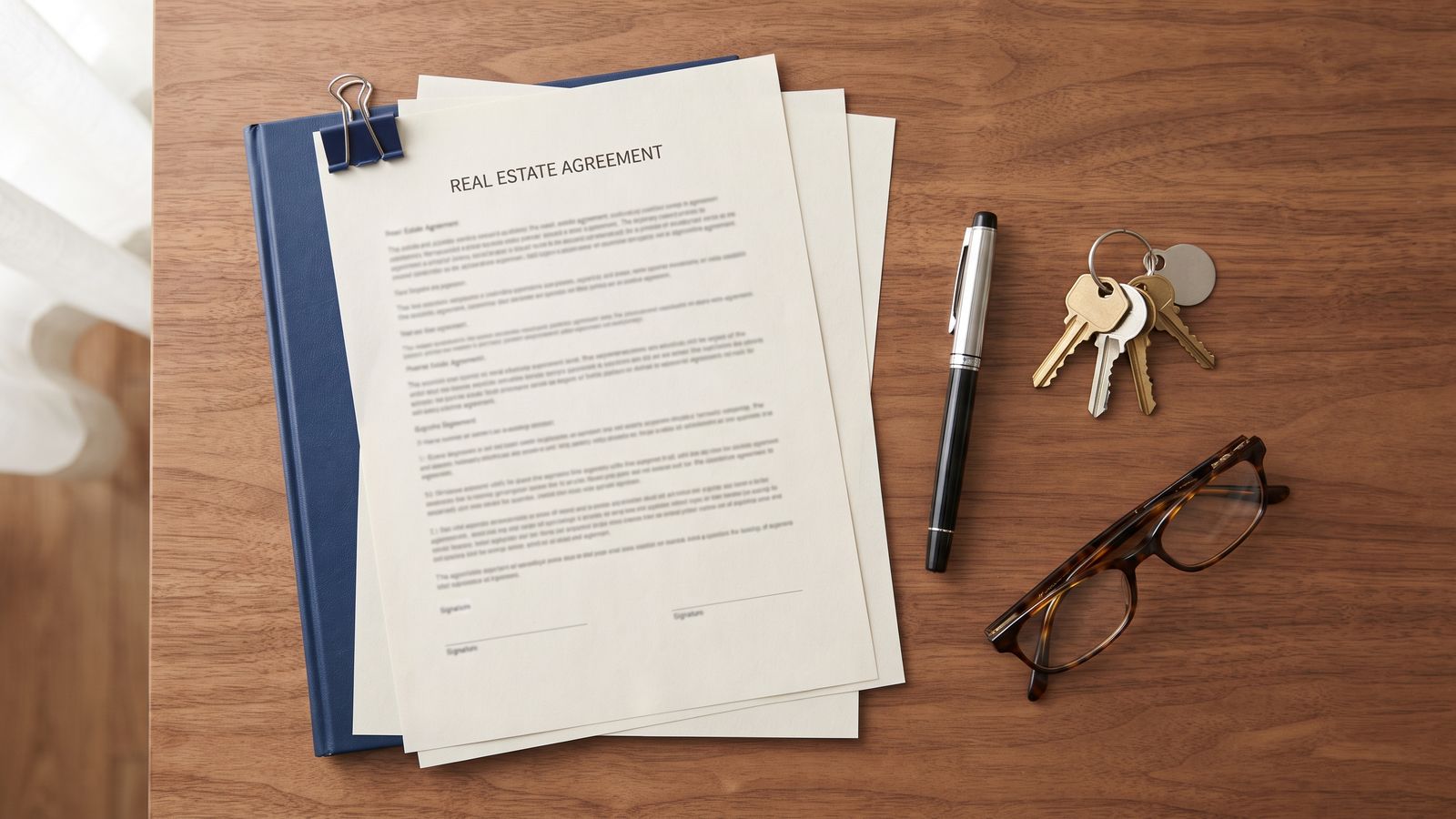
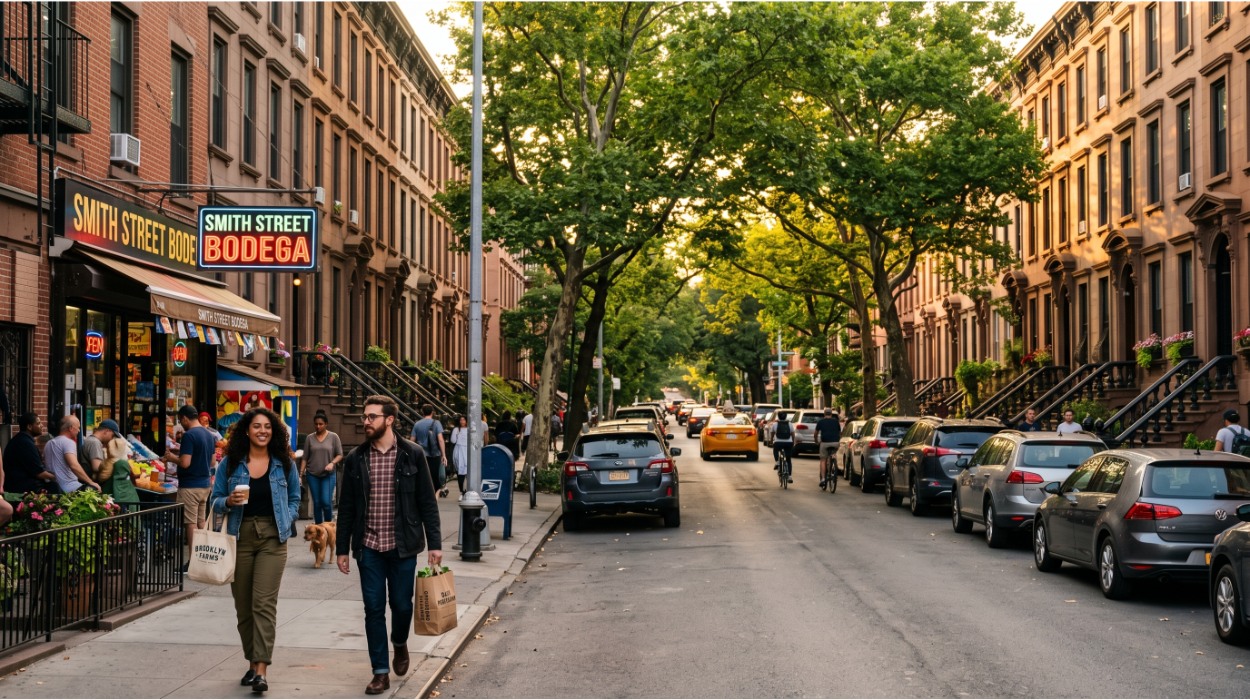
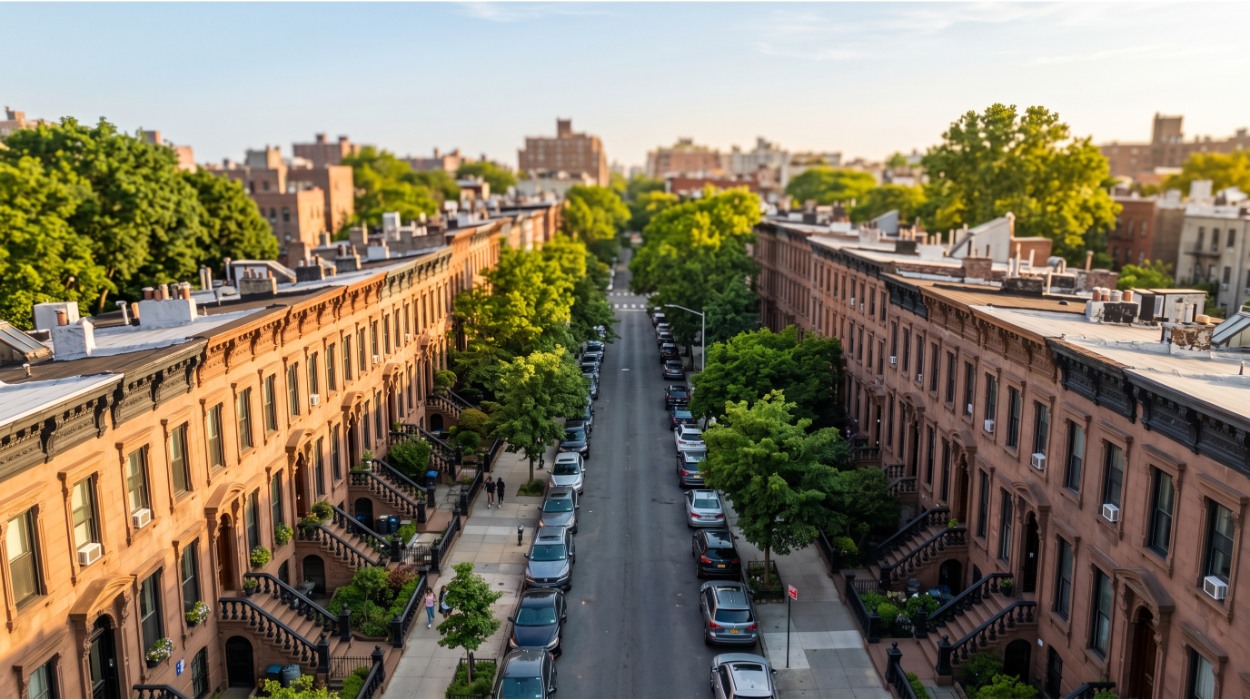


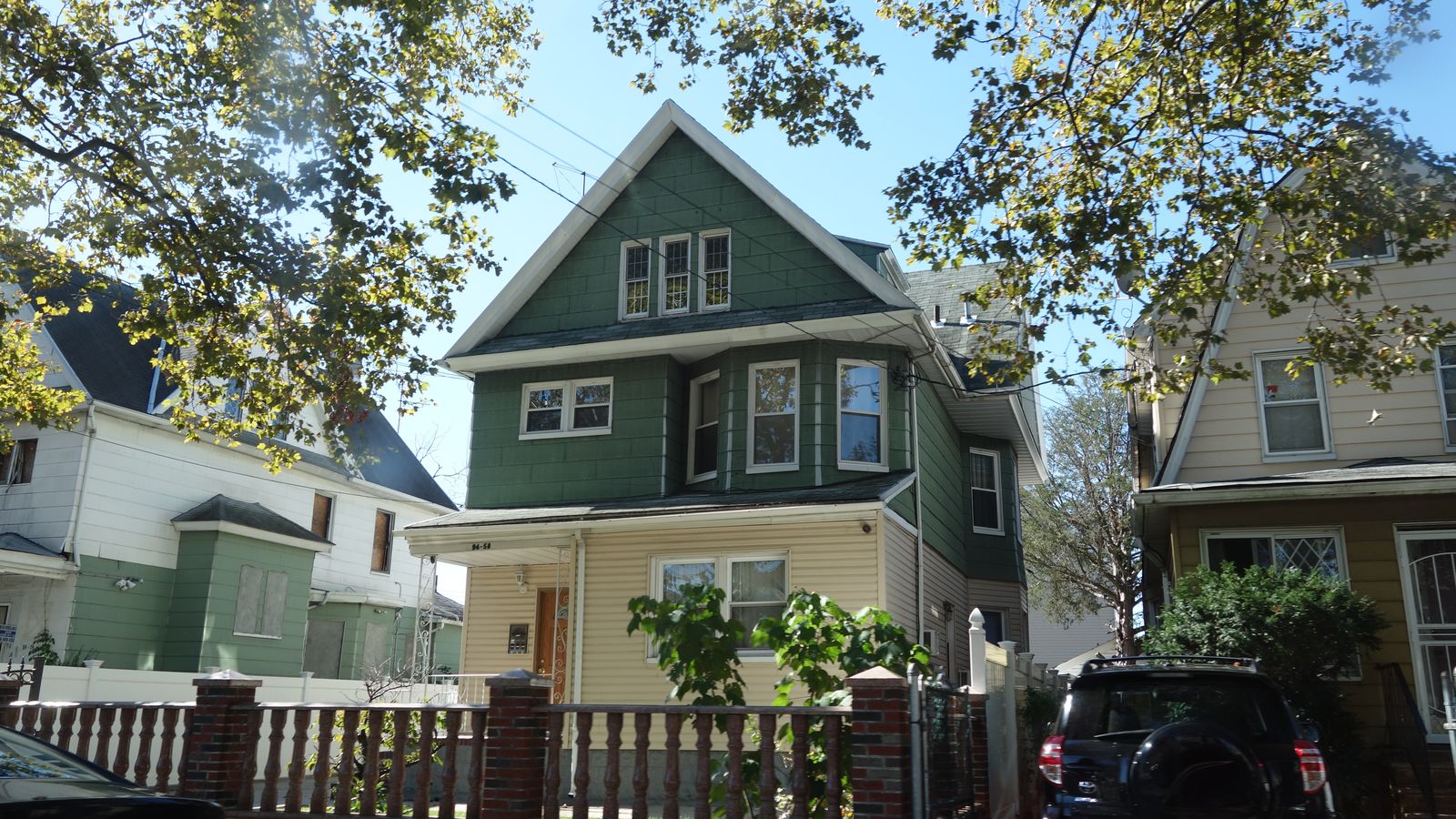
Selling your own home in New York City is legal, and every year a small slice of owners do it. But "for sale by owner" does not mean "no rules." New York still requires a written disclosure statement about your property's condition, federal law still requires a lead paint warning on older homes, the city and state still expect specific tax forms at closing, and fair housing law still applies to you personally, not just to licensed brokers. None of that disappears because you are not paying a listing commission.
This guide walks through the legal steps in the order you are likely to hit them: how common FSBO actually is and what it tends to sell for, the disclosure forms New York requires, hiring an attorney, transfer taxes and recording, fair housing obligations, pricing with public sales data, getting your listing in front of buyer agents, and what changes if you own a co-op instead of a condo or house. Where a rule is Queens-specific or borough-specific, that is called out directly.
Read this as a legal and procedural map, not a sales pitch. Some of these steps genuinely save you money. Others are the reason many owners who start FSBO end up hiring some form of professional help partway through.
How Common Is FSBO, and What Does It Actually Sell For?
For sale by owner sales are a small and shrinking part of the market. In the National Association of Realtors' 2025 Profile of Home Buyers and Sellers, only 5% of home sales nationwide were FSBO, while a record 91% of sellers used a real estate agent.1
Price is where the FSBO trade-off shows up most. The same report put the median FSBO sale price at $360,000, against $425,000 for agent-assisted sales, a gap of roughly $65,000.1 That does not mean every FSBO seller nets less after subtracting the commission they saved; it does mean the raw sale price gap is real and worth weighing against whatever you expect to save by not paying a listing agent. For a fuller breakdown of what agents typically charge in New York and where FSBO savings do and do not materialize, see the guide on what it costs to sell a home in NYC.
New York's Property Condition Disclosure Statement and Lead Paint Rules
New York's Property Condition Disclosure Act, codified at Real Property Law Article 14, requires a seller of residential real property to deliver a Property Condition Disclosure Statement (PCDS) to the buyer before signing a contract, answering the state's questions about the property's condition in writing.3
Until March 2024, sellers had a well-worn workaround: hand the buyer a $500 credit at closing instead of filling out the PCDS. An amendment that took effect on March 20, 2024, eliminated that option. Sellers can no longer opt out of the disclosure statement by paying the $500 credit, and the form itself grew from 48 questions to 56, adding seven new questions about flood zones, FEMA flood maps, and flood insurance.2 If you are selling FSBO, this means you are now the one filling out a 56-question legal disclosure yourself, with no $500 shortcut available.
Lead-Based Paint: Federal Rule for Pre-1978 Homes
If your home was built before 1978, a separate federal requirement applies on top of the PCDS. Under the EPA and HUD lead-based paint disclosure rule, you must disclose any known lead-based paint or hazards, provide the buyer with the EPA pamphlet "Protect Your Family From Lead In Your Home," and give the buyer a 10-day window to conduct a paint inspection or risk assessment before you're bound to the contract, unless both sides agree in writing to a different period.5 You are required to keep a signed copy of the lead disclosure for three years after the sale closes.5
Hiring a Real Estate Attorney, Even Without a Listing Agent
New York is a state where real estate contracts are negotiated attorney-to-attorney, not agent-to-agent, and that custom does not change when you sell FSBO. Real estate agents and brokers are not permitted to draft or interpret a contract of sale; that is legal work, so buyer and seller each retain their own attorney, and the seller's attorney typically drafts the contract before it goes to the buyer's side for review.13 Skipping this step is not realistic in practice: most buyers' lenders and title companies will not close without an attorney on the seller's side reviewing title and the deed.
If you decide partway through to bring in a broker for limited help, such as MLS access or contract paperwork, without handing over a full commission, that middle path is worth understanding before you sign anything. See the guide on limited-service real estate agents in NYC for how those arrangements work, and the breakdown of listing agreement clauses in NYC for what to read closely if you do sign one, even a partial one.
Selling FSBO in New York means taking on the paperwork, taxes, and legal duties a listing agent would otherwise carry for you.
Talk through your sale with an agent, or request a free valuation of your NYC home.
Mon – Sat · 9 AM – 7 PM ET
Transfer Taxes, Recording, and the Paperwork You'll File
Closing on a New York City sale means filing tax paperwork at both the city and state level, and recording the deed. Three pieces make up the core of it:
- NYC Real Property Transfer Tax (RPTT): For residential property, including one- to three-family homes, condos, and individual co-op units, NYC's RPTT rate is 1% of the price for sales of $500,000 or less, and 1.425% for sales above $500,000.7
- New York State transfer tax: The state charges a base real estate transfer tax of $2 for every $500 of consideration, filed on Form TP-584 (TP-584-NYC within the five boroughs), due no later than 15 days after the deed is delivered. On top of that base tax, an additional 1% "mansion tax" applies to the entire price of any residential sale at or above $1,000,000.8
- ACRIS recording: All NYC real property transfer tax returns must be filed electronically through ACRIS (the Automated City Register Information System), the city's Department of Finance platform for recording deeds, mortgages, and other property documents. ACRIS also lets you search recorded property records for Manhattan, Queens, Brooklyn, and the Bronx going back to 1966, at no cost.10
Your closing attorney typically prepares and files these forms as part of closing, but as the seller you are the one signing them, and you should know what they say before you do.
Fair Housing Law Applies to You, Not Just to Agents
A common FSBO misconception is that fair housing law is a broker rule. It is not. Federal, state, and city fair housing law applies to anyone selling residential property, including an owner selling directly. New York City's Human Rights Law protects a longer list of classes than the federal Fair Housing Act, including lawful occupation, lawful source of income, partnership status, military or veteran status, and status as a victim of domestic violence, stalking, or sex offenses, on top of the federally protected classes of race, color, religion, national origin, sex, familial status, and disability.6 Practically, this means your listing description, your screening of buyer inquiries, and any statements you make during a showing need to stay focused on the property and the transaction, never on who you think would "fit" the building or neighborhood.
The same principle extends specifically to co-op sales: New York's Civil Rights Law Section 19-a bars a cooperative corporation from withholding consent to a sale because of the purchaser's race, creed, national origin, or sex, a statute that predates and sits alongside the broader state and city human rights laws.12
Pricing Your Home With Public Sales Data
An agent's pricing edge usually comes down to comparable sales data. You can get most of the same raw material yourself, for free, from two city sources:
- NYC Department of Finance Rolling Sales: This file lists every tax class 1, 2, and 4 property sale in the city over the trailing 12-month period, including neighborhood, building type, and square footage, and is published free by borough in both spreadsheet and PDF form. Annualized files going back to 2003 are also available for longer-term comparisons.9
- ACRIS: Beyond recording your own deed, ACRIS lets you pull the actual recorded deeds and sale prices for comparable properties near you, searchable by address, parcel, or party name.10
Pulling five to ten truly comparable closed sales from Rolling Sales data, adjusted for square footage and condition, is the same starting point a listing agent would use for a comparative market analysis. If you would rather start from a single estimate instead of building comps from scratch, a free home valuation is a faster way to get a starting number before you set your list price.
Getting on the MLS, and Paying a Buyer's Agent After the 2024 NAR Settlement
Most buyer agents search the MLS, not FSBO sites, so staying off it limits your buyer pool. FSBO sellers typically reach it through a flat-fee MLS service rather than a traditional full-commission listing agent. In New York, these services list you on regional systems such as OneKey MLS, the state's largest, which syndicates to Zillow, Realtor.com, and other major search sites. Pricing tiers for New York flat-fee MLS listings generally run from about $99 to $299 for a bare-bones listing, $325 to $699 for a standard package with showing tools, and $748 or more for premium packages that add professional photography and broker support.11
Getting on the MLS raises the next question: what do you owe the buyer's agent? Since a National Association of Realtors settlement took effect on August 17, 2024, listing brokers, and by extension FSBO sellers using flat-fee MLS services, can no longer publish an offer of compensation to buyer's agents on the MLS itself. Buyer's agents must now sign a written agreement with their buyer before touring a home, spelling out how that agent will be paid, and any compensation a seller chooses to offer a buyer's agent has to be negotiated and documented outside the MLS listing, not inside it.4 In practice, most FSBO sellers still end up offering some buyer-agent compensation, because a large share of qualified buyers are represented and their agents are unlikely to show a listing that offers nothing; the settlement changed how that offer is made and disclosed, not whether it is common.
Showings, Safety, and Selling a Co-op FSBO
Without an agent screening buyers for you, you are the one opening your door to strangers. Basic precautions carry real weight: require a name and phone number before a private showing, avoid being alone in the unit for a first showing of an unfamiliar buyer, keep valuables and personal documents out of sight, and consider holding broker-free open houses in daylight hours with a friend or family member present rather than one-on-one private showings for unknown buyers. Presentation still matters for a FSBO listing the same way it does for an agent-listed one; see the guide on staging a small apartment to sell in NYC for space-specific tips.
Selling a Co-op FSBO
If you own a co-op rather than a condo or house, FSBO does not remove the co-op board from the transaction. You still need to assemble a board package for your buyer, typically financial statements, tax returns, reference letters, and a board interview, and the board still has to approve the purchaser before the sale can close, regardless of whether either side used an agent. A board can reject a buyer for nearly any reason it wants, but it cannot use the sale approval process to discriminate on a protected basis, which is exactly what the co-op-specific non-discrimination rule in Civil Rights Law Section 19-a is meant to prevent.12 Because co-op sales transfer shares and a proprietary lease rather than a deed, they generally will not show up in ACRIS the way a condo or house sale would, which is one more reason FSBO co-op sellers lean more heavily on Rolling Sales data and building-specific comparables when pricing.910
Frequently Asked Questions
Is it legal to sell my own home in NYC without a real estate agent?
Yes. Nothing in New York law requires you to use a licensed agent to sell your own property. You still have to meet the same disclosure, tax, and fair housing obligations any seller has, and you will likely still need a real estate attorney at closing.13
Do I have to fill out New York's Property Condition Disclosure Statement if I'm selling FSBO?
Yes. Since the amendment that took effect on March 20, 2024, you can no longer pay a $500 credit instead of completing the disclosure statement. You must answer all 56 questions on the current PCDS and deliver it to the buyer under Real Property Law Article 14.23
Does the lead paint disclosure apply to my home?
Only if your home was built before 1978. If it was, federal law requires you to disclose known lead hazards, hand over the EPA's lead pamphlet, and give the buyer 10 days to test for lead before the contract is binding, unless both sides agree in writing to shorten or waive that period.5
Can a FSBO listing get on the MLS in New York?
Yes, through a flat-fee MLS listing service rather than a traditional full-commission agent. These services typically charge from about $99 up to several hundred dollars or more, depending on the package, to place your listing on regional MLS systems like OneKey MLS.11
Do I still have to offer to pay the buyer's agent?
You are not legally required to, but most buyers are represented, and their agents may be reluctant to show a listing that offers no compensation. Since August 17, 2024, any compensation offer to a buyer's agent has to be negotiated and documented outside the MLS listing itself, not published inside it.4
What taxes do I pay as a FSBO seller in NYC?
At minimum, NYC's Real Property Transfer Tax (1% up to $500,000, 1.425% above it) and New York State's transfer tax ($2 per $500 of price, filed on Form TP-584 or TP-584-NYC), plus an additional 1% state mansion tax if your sale price is $1,000,000 or more.78
Can I sell my co-op FSBO the same way as a condo or house?
Mostly, but the co-op board still has to approve your buyer through a board package and interview, independent of whether you used an agent. The board cannot use that approval process to discriminate against a buyer based on race, creed, national origin, or sex under Civil Rights Law Section 19-a.12
Does fair housing law apply to me if I'm just selling my own home?
Yes. Fair housing obligations apply to any seller, not only to licensed brokers. New York City's Human Rights Law protects classes beyond the federal list, including lawful source of income, military status, and partnership status, so your listing language and buyer screening need to stay focused on the property, not the buyer's personal characteristics.6