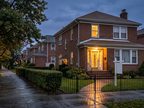

Brooklyn crossed a psychological threshold in Q3 2025. The borough-wide Brooklyn median home price hit around $1.05 million, the first time it ever topped seven figures. As of mid-2026, it sits near $1 million, up 4.3% year over year. That growth rate is roughly half the 7.7% spike recorded just three quarters earlier — signaling a market that is cooling but not retreating.
That number can sting. But it also misleads: the "median" blends co-ops selling for around $460,000 with brownstones trading above $5 million. The average home price in Brooklyn runs even higher, pulled up by luxury sales at the premium end. For a buyer trying to calibrate what they can afford, the borough-wide median is a starting point, not an answer.
Brooklyn Home Prices by Property Type
The spread across property types is enormous. Co-ops averaged around $460,000 over the 12 months ending March 2026, while three-family homes averaged around $1.5 million. Same borough, completely different markets. The figures below draw from 11,955 sales recorded by NYC Department of Finance data.
Co-ops (around $460,000)
Co-ops are Brooklyn's lowest entry point. Typical units run 600 to 900 square feet, placing them within reach for first-time buyers. The trade-off is board approval — which can be unpredictable — and monthly maintenance fees that often run $800 to $1,500. But for a buyer with a budget near $500,000, co-ops prove that Brooklyn is not out of reach. If you're eligible for NYC down payment assistance programs, co-ops become even more accessible — some programs cover up to $100,000 of your down payment.
Single-Family Homes (around $950,000)
This category sits closest to the borough-wide median. Supply is tight: fewer than 1,500 single-family homes traded borough-wide in the trailing 12 months. When they do hit the market, competition is fierce in desirable neighborhoods like Park Slope and Bay Ridge. Days on market are short, and bidding wars are common in the sub-$900,000 range.
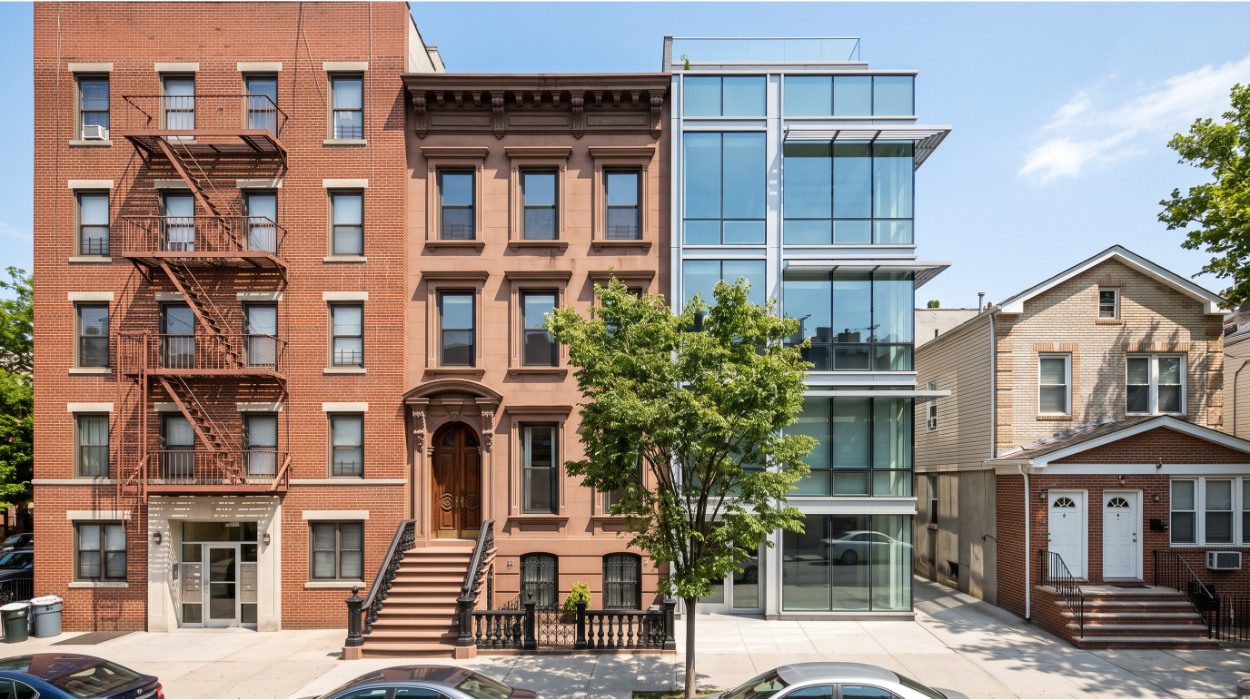
Condos (around $1.1 million)
Brooklyn's condo market set records in Q2 2026. The resale condo median hit around $1.15 million, and price per square foot reached around $1,185 — both all-time highs. New development pushes this category higher, particularly in Downtown Brooklyn and Williamsburg. If you're tracking Brooklyn home prices 2026, the condo segment has outpaced every other property type on a price-per-square-foot basis.
Two-Family Homes (around $1.2 million)
Two-families offer something the others don't: rental income. A buyer who occupies one unit and rents the other at Brooklyn's average two-bedroom rate of $3,200 to $4,200 per month can offset a significant portion of their mortgage. That income changes the affordability math entirely. Two-family homes see less competition from all-cash buyers than condos in prime neighborhoods — giving financed buyers more leverage. For a full cost breakdown of what owning in NYC entails, see our guide to selling costs in NYC, which also covers what you'll pay when you eventually exit.
Three-Family Homes (around $1.5 million)
Three-family properties are primarily investment plays. The purchase price is steep, but rental income from two additional units can generate $6,000 to $8,000 per month, making the numbers work for buyers thinking long-term.
Brooklyn Home Prices by Neighborhood
DUMBO condos trade at roughly $1,450 to $1,520 per square foot. In East New York, the same measure drops to around $400 to $500. That's a 3× difference within one borough.
Most Expensive Neighborhoods
Brooklyn Heights leads with a single-family home median of around $6.5 million. Boerum Hill follows at around $5.3 million, and Park Slope at around $5.2 million. For condos, DUMBO tops the list with a median near $2.6 million, while Williamsburg and Park Slope both exceed $1,450 per square foot.
These are neighborhoods where the Brooklyn median feels like a discount. For families weighing whether the premium is worth it, our guide to the best Brooklyn neighborhoods for families covers commute, school quality, safety, and childcare costs for each area — the factors that determine whether a given address makes long-term sense.
Most Affordable Neighborhoods
East New York single-family homes range from $400,000 to $650,000. Brownsville co-ops can be found between $100,000 and $250,000. Bensonhurst co-ops dip under $200,000. Sheepshead Bay's median asking price sits around $515,000, and Canarsie runs from $500,000 to $800,000.
StreetEasy named six Brooklyn neighborhoods among its 10 best 2026 buyer neighborhoods in NYC: Bushwick (#1), Williamsburg (#3), Sheepshead Bay (#4), Clinton Hill (#5), Bay Ridge (#8), and Bed-Stuy (#9).
Fastest-Growing Neighborhoods
Mill Basin prices jumped 26.3% year over year. Borough Park rose 25%. Crown Heights climbed 23.6%. Mendy Lipsker of Mendy Realty projects Crown Heights will reach $1.25 million to $1.35 million by late 2026. These are the neighborhoods where early buyers have captured the most appreciation this cycle.
What Drives These Price Gaps
Subway access adds a 15% to 25% premium, according to local real estate experts. School district quality, development pipelines like the Gowanus rezoning (which will add roughly 8,500 new units), and planned infrastructure such as the IBX light rail all factor in.
The rental side tells a related story. Brooklyn rents hit around $4,350 per month in June 2026, up 8.1% year over year. That rental pressure keeps pushing more tenants toward buying — which in turn supports prices in neighborhoods with lower entry points. For buyers considering the alternative, Queens homes for sale offer comparable transit access at roughly 33% lower prices than Brooklyn's median.
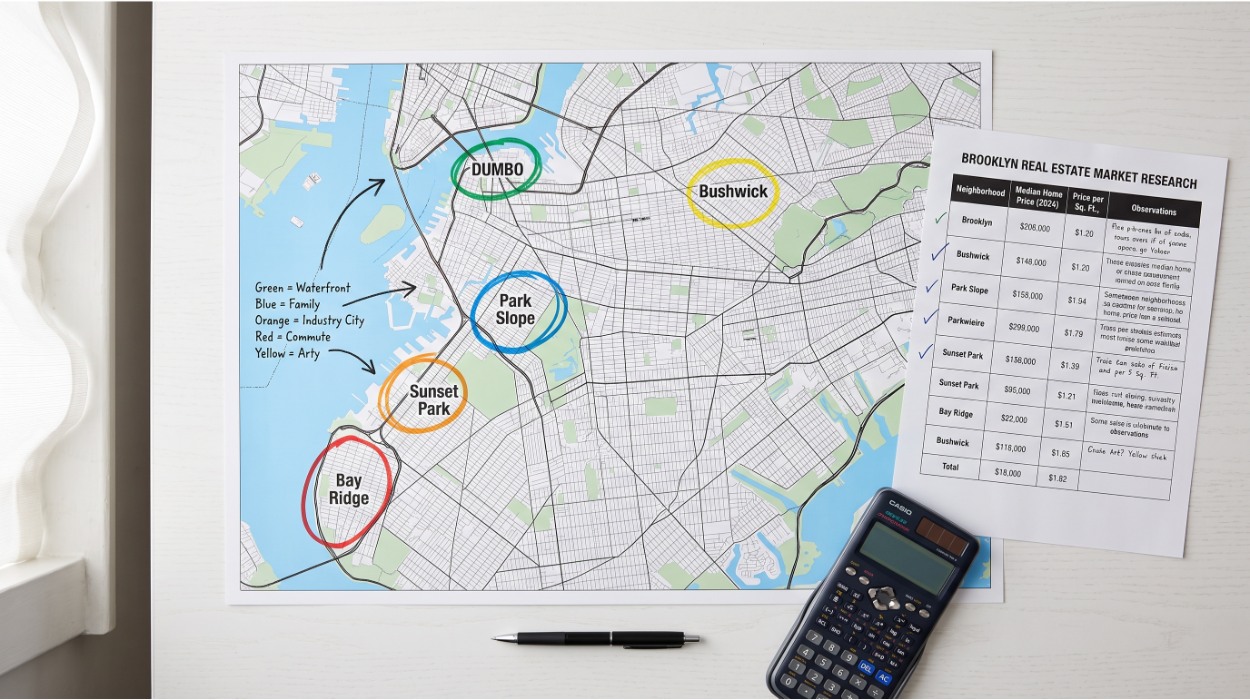
Brooklyn Home Price Trends: 2021 to 2026
Brooklyn housing prices tell a story of resilience over the past five years.
Year-over-year growth has slowed from 7.7% in Q3 2025 to 4.3% as of mid-2026. Prices are still climbing, just at a more moderate pace. The deceleration is real, but so is the upward trend.
What's keeping prices elevated? About 30% of existing homeowners hold mortgages below 4%. Selling means surrendering that rate for one near 6.5%, so they stay put. This rate lock-in effect constrains resale supply. Meanwhile, signed contracts in Q2 2026 were up 15% year over year, showing demand hasn't faded even as rates remain elevated.
Jonathan Miller of Miller Samuel summarized it bluntly: "Last three quarters the median and average sale prices were the highest in history. Chronically low inventory." That dynamic — record prices driven by supply scarcity rather than demand surges — is the defining feature of this cycle.
Brooklyn's market rewards buyers who move fast and have financing locked in. Our agents know which blocks are still negotiable — and which ones aren't.
NestIt matches Brooklyn buyers with top local agents at lower commission rates. No pressure, no commitment.
Mon – Sat · 9 AM – 7 PM ET
What You Need to Earn to Buy a Home in Brooklyn
The income required to buy at Brooklyn's median ranges from roughly $212,000 to $274,000 per year. Brooklyn's actual median household income is around $74,692.
Read those two numbers again. The gap is enormous.
Monthly Cost Breakdown
Assuming a purchase in the $900,000 to $950,000 range with 20% down and a mortgage rate between 6.36% and 6.75%, the all-in monthly cost runs approximately $5,800. That breaks down to roughly $4,300 in principal and interest, $800 in property taxes, and $700 in insurance, HOA, or maintenance fees. The $5,800 figure assumes no PMI, which requires that full 20% down.
Understanding how property taxes are calculated in NYC matters here — the assessment method creates surprising variation across boroughs and property types, and it's a meaningful line item in your monthly budget.
Cash Needed Upfront
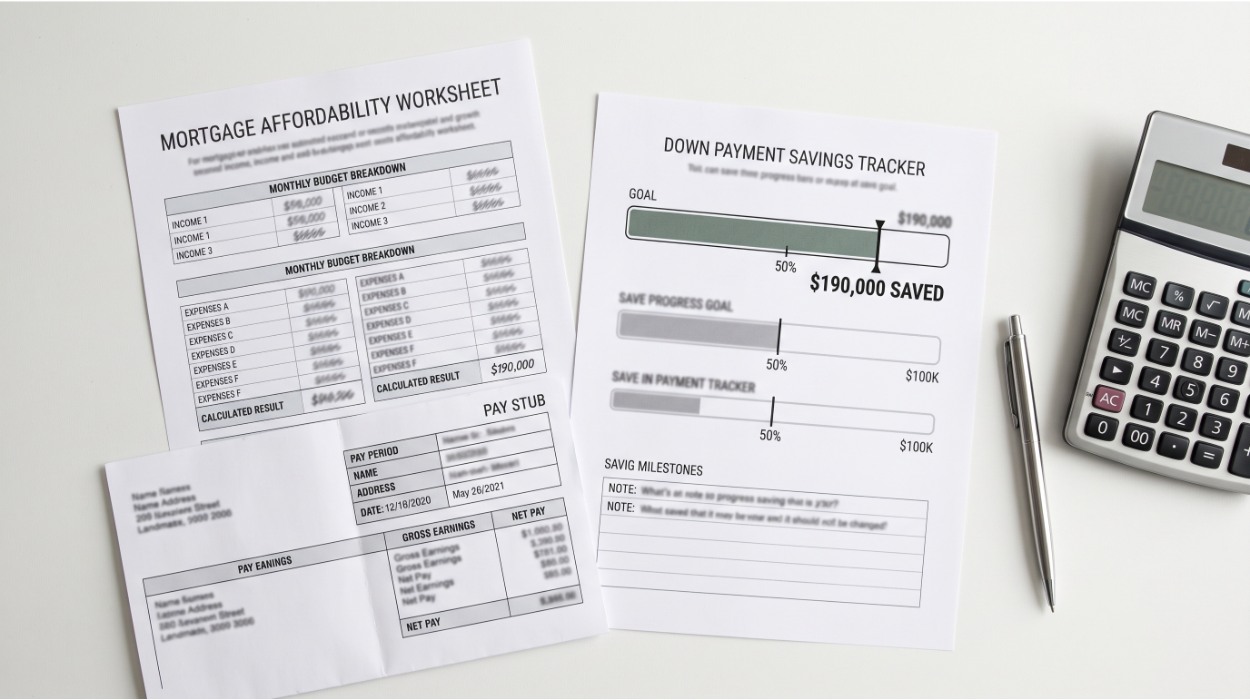
Between the down payment and closing costs — typically 2% to 4% of the purchase price in Brooklyn — buyers at the median should expect to bring roughly $195,000 to $247,000 to the table. That upfront requirement is where NYC down payment assistance programs can make a material difference: stacking SONYMA, HomeFirst, and FHLBNY grants can cover up to $175,000 of that number for qualifying buyers.
The Cash Buyer Factor
About 35% of Brooklyn transactions are all-cash deals, closing in 14 to 21 days. These buyers skip the mortgage qualification entirely, and they're your competition on every listing. In neighborhoods under $600,000, cash offers are less dominant — which gives financed buyers more leverage.
Rent vs. Buy Math
Two-bedroom rentals in Brooklyn run $3,200 to $4,200 per month. Buying only makes financial sense if you plan to stay at least seven years, given current prices and rates. That holding period accounts for closing costs on both ends and the opportunity cost of your down payment. If a seven-year commitment isn't realistic, renting — or looking at more affordable boroughs — may be the smarter near-term play.
Have a question? Talk to a Brooklyn buyer specialist.
Mon – Sat · 9 AM – 7 PM ET · Free, no commitment
Brooklyn Market Conditions and Buyer Strategy for Late 2026
Q2 2026 brought a shift. Active listings hit 2,003, the highest second-quarter inventory level since 2022. Days on market dropped to 72, down 15% year over year. More listings are hitting the market, but they're also selling faster.
Michael Sorrentino of Corcoran described Q2 2026 as "showing real signs of momentum." That tracks with the 15% year-over-year increase in signed contracts.
That combination — rising inventory plus faster absorption — creates a split market. Buyers have more to choose from in aggregate, but sellers still hold leverage in prime neighborhoods where price per square foot keeps setting records. Your strategy should differ based on which segment you're targeting.
Strategy 1: Target Transitional Neighborhoods
Six of StreetEasy's top 10 buyer neighborhoods for 2026 are in Brooklyn. Bushwick, Sheepshead Bay, Bay Ridge, and Bed-Stuy offer relative value with strong transit access and improving amenities. These neighborhoods tend to have longer days on market, giving you more room to negotiate on price and terms.
Strategy 2: Consider Co-ops and Two-Family Homes
Co-ops offer the lowest entry point. Two-family homes let rental income offset your mortgage. Both property types expand what's financially possible, and both face less competition from all-cash buyers than condos in prime neighborhoods. For buyers who want a Brooklyn address without the co-op board process, affordable Queens neighborhoods offer similar commute profiles at significantly lower price points.
Strategy 3: Time Your Search
Q4 historically brings softer competition as holiday-season listings attract fewer bidders. If mortgage rates dip even modestly, the rate lock-in effect could ease, releasing more inventory. That window could favor patient buyers who are pre-approved and ready to act quickly.
Strategy 4: Get Pre-Approved and Move Fast
The 72-day borough-wide average masks faster timelines in affordable pockets. Desirable listings under $600,000 move quickly — sometimes within two to three weeks. Pre-approval isn't optional. It's your entry ticket, and it signals to sellers that your offer is credible and closeable.
How Brooklyn Compares to Other NYC Boroughs
Brooklyn is the second most expensive borough and led all five in year-over-year price growth as of June 2026. That roughly 10% gain nearly doubled Manhattan's growth rate of around 6–7%.
| Borough | Median Sale Price (June 2026) | Year-Over-Year Change |
|---|---|---|
| Manhattan | ~$1.2M–$1.3M | +6.5% |
| Brooklyn | ~$1.0M–$1.1M | +10.3% |
| Staten Island | ~$700K–$760K | N/A |
| Queens | ~$700K–$730K | N/A |
| Bronx | ~$560K–$610K | N/A |
For budget-conscious buyers, Queens offers comparable transit access to Manhattan at roughly 33% less than Brooklyn's median. The commute difference from central Queens to Midtown is typically 5 to 10 minutes longer than from central Brooklyn. You can explore current Queens pricing in detail in our Queens homes for sale guide — it covers neighborhood-by-neighborhood breakdowns at significantly lower entry points.
Eastern Brooklyn neighborhoods like East New York and Canarsie can also deliver Brooklyn addresses at Queens-level prices, for buyers who prioritize the borough address over proximity to the waterfront neighborhoods.
For national context, the U.S. median home price sits around $420,000 — Brooklyn's median is approximately 2.5× that figure. You're paying a premium for density, transit, walkability, and proximity to Manhattan. Whether that premium is worth it depends on how much you value those factors and whether you plan to stay long enough for appreciation to offset the higher entry cost.
Staten Island and the Bronx offer significantly lower price points but come with longer commutes and fewer transit options. For buyers who work remotely, those boroughs deserve a closer look. NYC's Department of Finance property records cover all five boroughs and are the authoritative source for sales data if you're doing deeper research.
Frequently Asked Questions About Brooklyn Home Prices
What is the median home price in Brooklyn in 2026?
The median home price in Brooklyn, NY sits near $1 million as of mid-2026, up roughly 4.3% year over year. The range runs from around $460,000 for co-ops to around $1.5 million for three-family homes. The borough-wide median blends five completely different property markets, so it's a starting point for research — not a target price for any single buyer.
Is Brooklyn a buyer's or seller's market in 2026?
It depends on the segment. Inventory is at its highest Q2 level since 2022, which favors buyers in aggregate — but record price-per-square-foot figures and faster absorption still favor sellers in prime neighborhoods like DUMBO, Williamsburg, and Park Slope. In transitional neighborhoods like East New York, Sheepshead Bay, and Bushwick, buyers have more negotiating room.
What are the most affordable neighborhoods in Brooklyn?
East New York single-family homes range from $400,000 to $650,000. Brownsville co-ops can be found between $100,000 and $250,000. Bensonhurst co-ops dip under $200,000. Sheepshead Bay's median asking price sits around $515,000, and Canarsie runs from $500,000 to $800,000.
How much do you need to earn to buy a home in Brooklyn?
Roughly $212,000 to $274,000 per year at the borough median with 20% down and current mortgage rates. For co-ops averaging around $460,000, the income threshold drops to approximately $120,000 to $140,000. Two-family homes offer another path — rental income from the second unit can effectively reduce your required income by $40,000 to $50,000.
Will Brooklyn home prices drop in 2026?
No significant decline is expected. Chronic low inventory, strong contract activity (up 15% year over year in Q2 2026), and the mortgage rate lock-in effect all support current prices near $1 million through late 2026. Growth is moderating from its 7.7% peak in Q3 2025 to around 4.3% — but no crash signals are present in the data.
What is the cheapest property type to buy in Brooklyn?
Co-ops are Brooklyn's lowest entry point at around $460,000 on average. Typical units run 600 to 900 square feet. The trade-off is co-op board approval and monthly maintenance fees of $800 to $1,500. But co-ops prove that Brooklyn is accessible to buyers well below the headline median — and with down payment assistance, some buyers are closing with as little as $50,000 out of pocket.
How does the Brooklyn housing market compare to Queens in 2026?
Brooklyn's median sits near $1 million — roughly 35–40% higher than Queens' median of around $700,000 to $730,000. The commute difference from central Queens to Midtown is typically 5 to 10 minutes longer than from central Brooklyn. For buyers who can't stretch to Brooklyn's prices, Queens offers similar transit access, strong schools, and every property type at a meaningful discount.