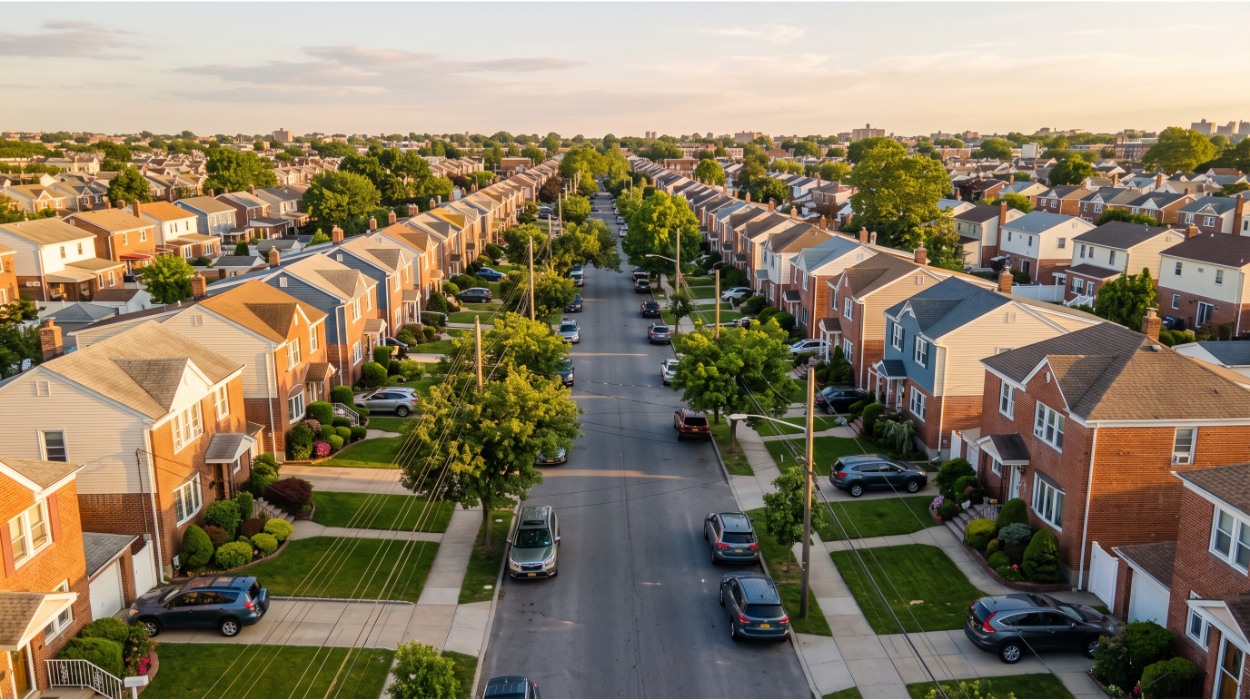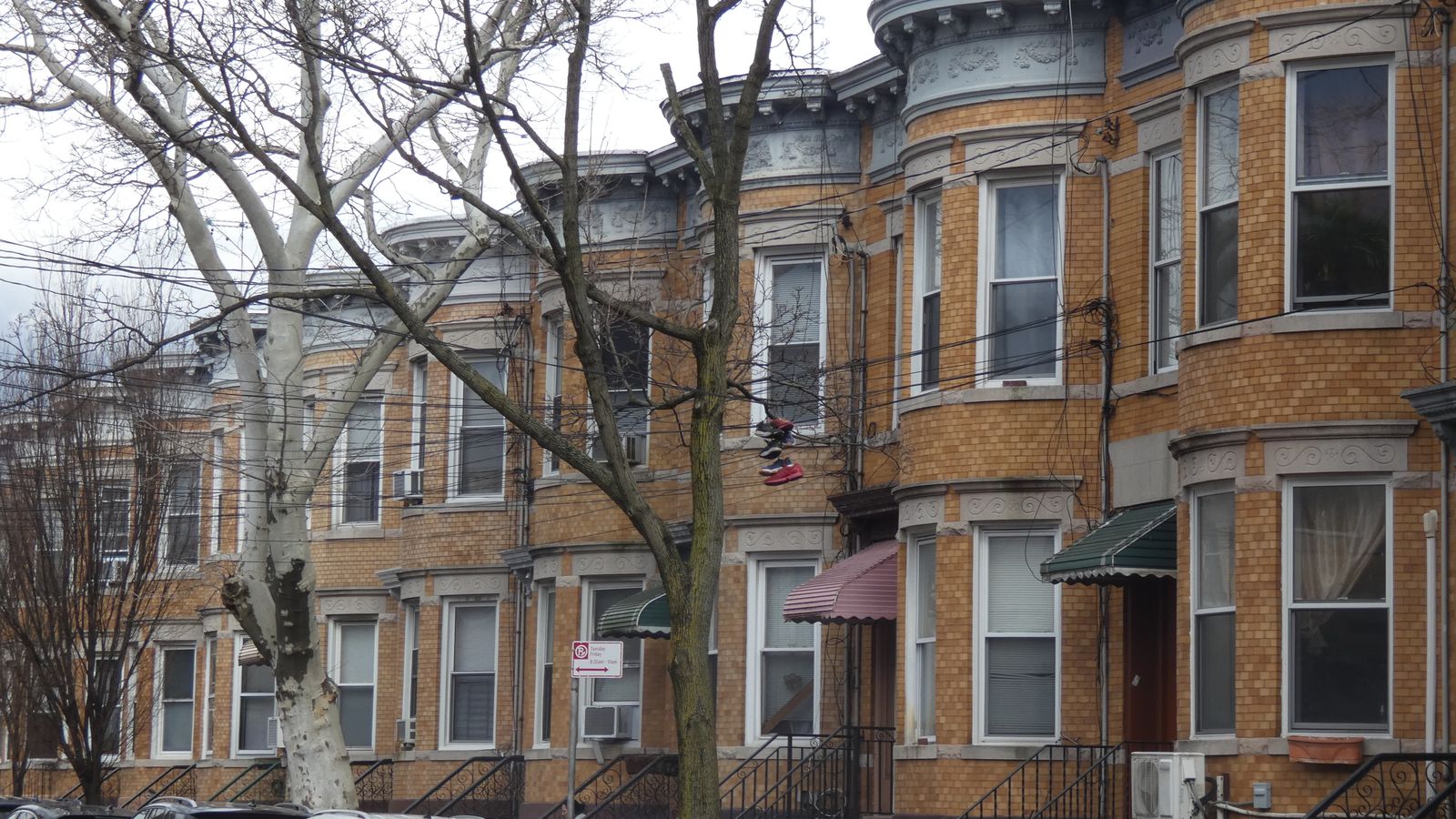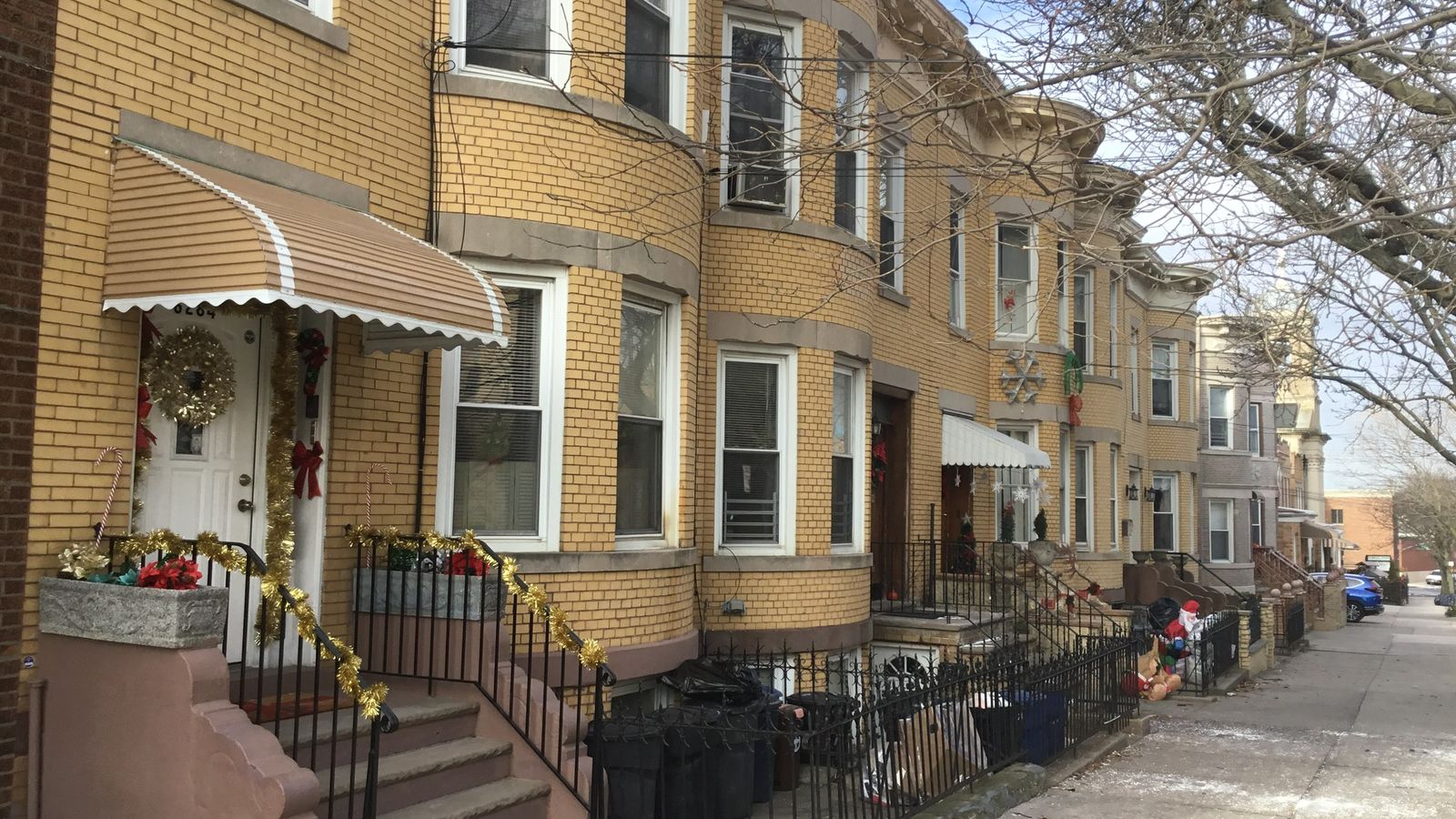

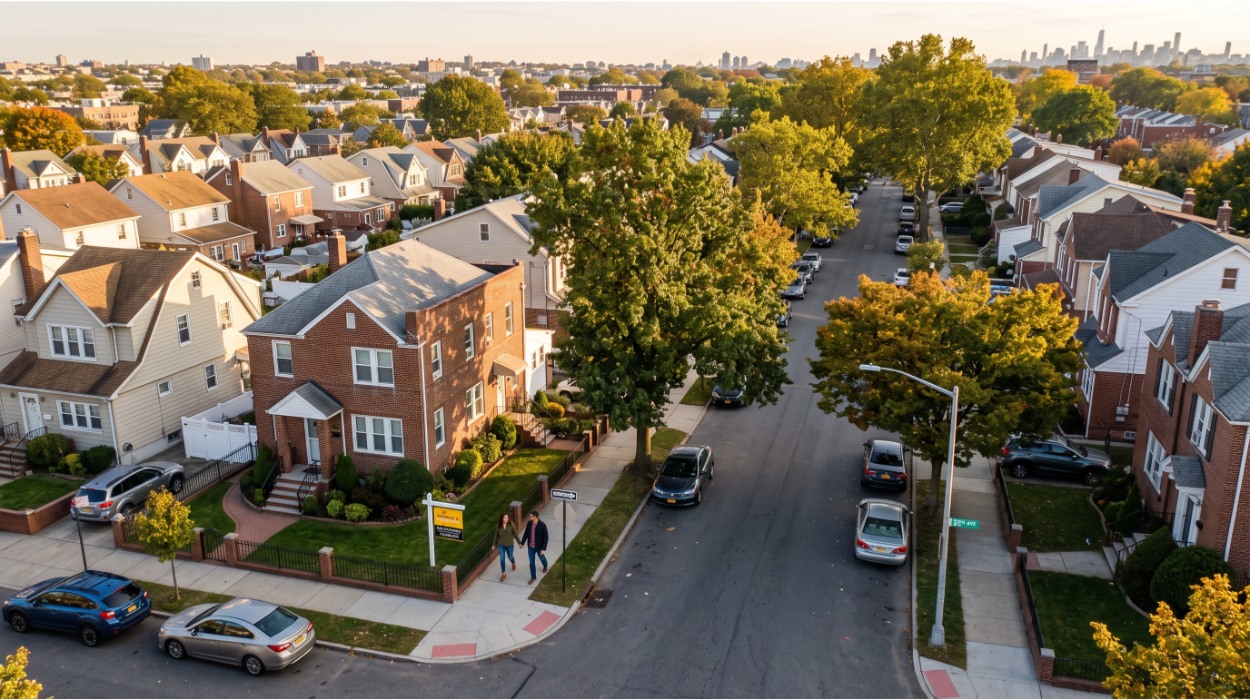
Queens is the only borough where a middle-class family can still buy a house in Queens without a trust fund or a tech salary. The median single-family home sits in the mid-to-high $600Ks. Compare that to Brooklyn, where you're north of a million dollars for the same square footage, or Manhattan, where single-family homes barely exist.
What makes Queens unusual is the range. Co-ops start around $150K–$200K. Condos run $350K–$750K. Two-family homes open the door to house-hacking in the $750K–$1.1M range. There's an entry point at nearly every budget.
Buying here isn't like buying in the suburbs. Co-op boards can reject you even after your mortgage is approved. NYC closing costs will surprise you if you're coming from out of state. In the most competitive price ranges, homes attract multiple offers within 72 hours.
This guide covers your real budget, the best neighborhoods, how to win a bidding war without waiving your inspection, how to survive a co-op board interview, down payment assistance programs worth up to $115,000, and how to save thousands on property taxes after you close. Every number is specific to Queens.
Why Queens Is One of NYC's Best Places to Buy Right Now
Astoria's median home price has appreciated roughly 39% in recent years, reaching close to $850K. That's not just "affordable for NYC" — that's real appreciation building real equity. And it's still far below Brooklyn's borough-wide median of over $1 million.
Queens still costs significantly less than Brooklyn. The borough-wide median for a single-family home sits well below Brooklyn's million-plus. Co-ops in neighborhoods like Kew Gardens sell in the $240K–$320K range. Jamaica's median hovers around the low-to-mid $500Ks, with major infrastructure investment pushing future upside. Richmond Hill and Woodhaven both offer strong two-family housing stock at comparable price points.
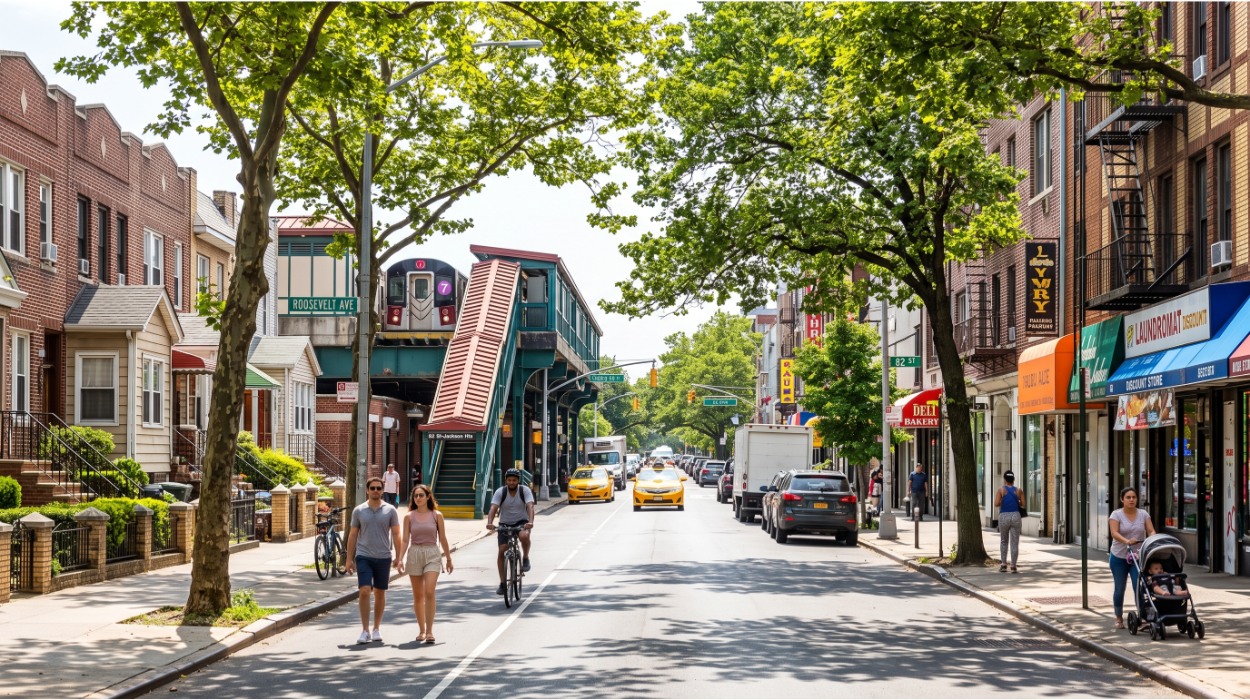
Transit coverage is extensive. The 7 train, E/F, N/W, J/Z, and LIRR lines connect most of the borough to Manhattan in under 45 minutes. Bayside offers LIRR access and top-rated school districts. Jamaica is positioned for continued growth as transit and commercial development accelerate.
| Borough | Single-Family Median | Co-op Range | 5-Year Appreciation |
|---|---|---|---|
| Queens | Mid-to-high $600Ks | $150K–$500K | ~3.1% compound |
| Brooklyn | $1M+ | $300K–$600K+ | ~3.5% compound |
| Manhattan | Rare / $2M+ | $400K–$2M+ | ~2.1% compound |
The housing stock is unusually diverse. First-time buyers find co-ops under $300K. Families find single-family colonials. Investors find two- and three-family homes with rental income potential. Multi-family properties lead appreciation at around 5%+ year over year — buy a duplex, live in one unit, rent the other, and your effective housing cost can drop dramatically.
Skip if: You need a Manhattan commute under 20 minutes or want new-construction luxury.
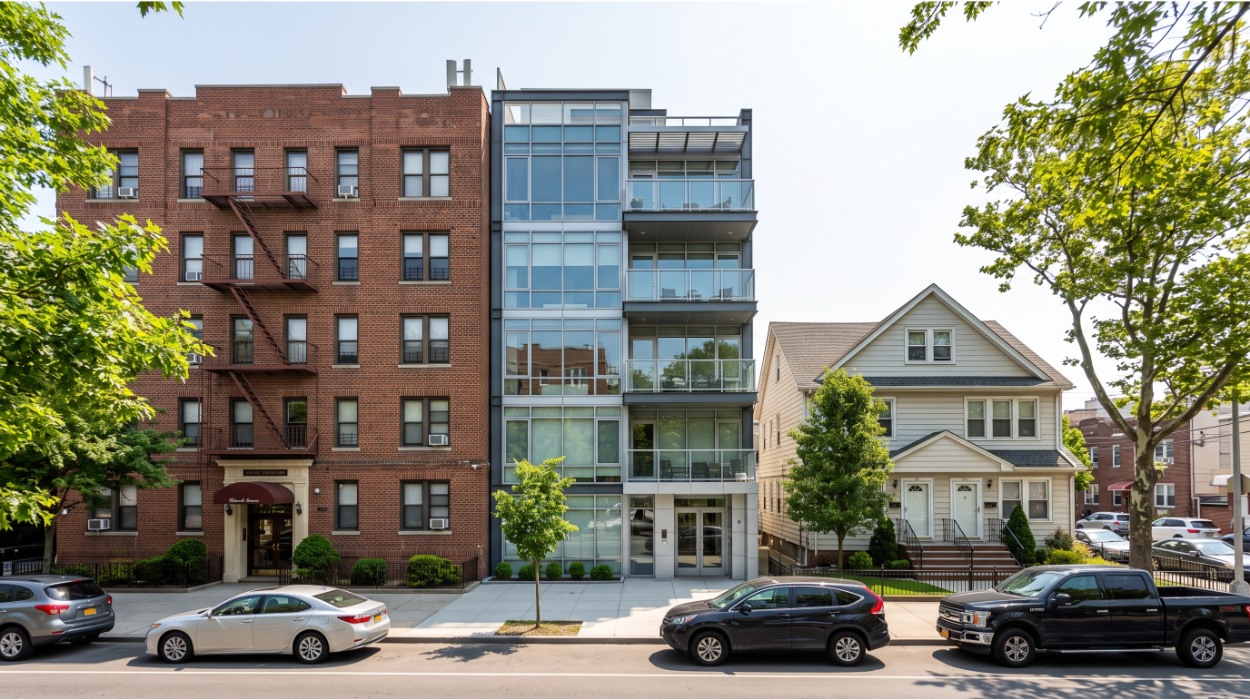
Property Types in Queens: Co-ops, Condos, and Multi-Family Homes Compared
The most expensive mistake Queens buyers make is falling in love with a co-op before understanding that board approval is a separate hurdle from mortgage approval.
Co-ops (Roughly $150K–$500K)
Co-ops are the cheapest way into Queens homeownership. You're buying shares in a corporation, not real property. There's no Mortgage Recording Tax (saving roughly 1.8%–1.925% of your loan), and closing costs run just 2%–3%.
The catch: board approval. Boards review your finances, interview you, and can reject you without explanation. Many require 20% or more down, plus 12 to 24 months of liquid reserves after closing. Under recent NYC transparency rules, boards in qualifying buildings must acknowledge applications within 15 days and decide within 45.
Condos (Roughly $350K–$750K)
Condos give you real property ownership and more flexibility — rent them out, sell without board approval, finance with almost any loan type including FHA. The trade-off is cost. Closing costs run 3%–6%, plus Mortgage Recording Tax on your loan amount. If the purchase price hits $1 million, mansion tax adds 1% of the full price.
Single-Family Homes (Mid-to-High $600Ks Median)
Full control. No board, no monthly maintenance fees (though property taxes apply). Standard closing costs of 3%–6%. This is the category most people picture when they think "buying a house in Queens."
Two-Family and Multi-Family ($750K–$1.1M+)
Buy a two-family, live in one unit, rent the other. FHA allows financing up to four units with just 3.5% down — and lenders count 75% of projected rental income toward your qualifying ratio. A well-priced duplex with a market-rate rental unit can cut your effective monthly housing cost by $1,500–$2,500 per month.
| Co-op | Condo | Single-Family | Two-Family | |
|---|---|---|---|---|
| Price range | ~$150K–$500K | ~$350K–$750K | Mid-high $600Ks median | ~$750K–$1.1M+ |
| Closing costs | 2%–3% | 3%–6% | 3%–6% | 3%–6% |
| Board approval | Yes | No | No | No |
| Can rent out | Restricted | Yes | Yes | Yes (built-in) |
| MRT applies | No | Yes | Yes | Yes |
How Much You Actually Need to Buy a House in Queens
Here's the exact cash-to-close range for each property type — set a real savings target before you call a lender.
Down Payment
Conventional loans start at 3% down. FHA requires 3.5%. Co-op boards frequently require 20% or more regardless of what your lender approves.
On a home near the median single-family price in Queens:
- 3% down = roughly $20K–$22K
- 3.5% down (FHA) = roughly $23K–$25K
- 20% down = roughly $130K–$140K
Put less than 20% down on a conventional loan and you'll pay PMI — typically 0.5%–1% of the loan annually, adding roughly $275–$550 per month until you reach 20% equity.
Closing Costs by Property Type
Co-op (around $300K–$500K): Closing costs of 2%–3% = $6K–$15K. No MRT. No title insurance. Attorney fees run $2,500–$4,000. Total cash to close with 20% down: roughly $65K–$120K depending on price.
Single-family home (near the median price range): Closing costs of 3%–6% = $20K–$42K. Mortgage Recording Tax on your loan at 1.8%–1.925%. Title insurance, attorney fees, appraisal, and inspection add $5K–$8K. Total cash to close with 20% down varies significantly by price — budget a buffer above your down payment amount.
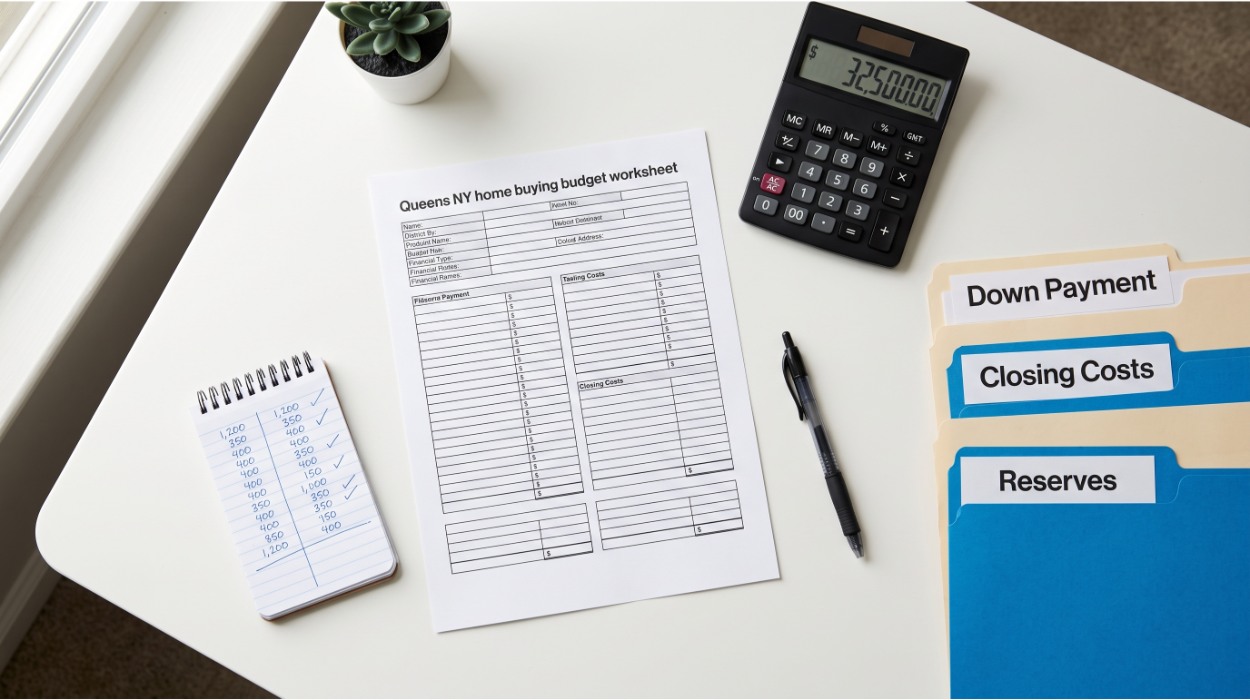
Line Items That Catch Buyers Off Guard
Getting Pre-Approved and Choosing the Right Lender
In a market where the most competitive listings get multiple offers within 72 hours, a generic pre-qualification letter from an online lender won't get your offer taken seriously. You need full pre-approval with verified income, assets, and credit — done before you start searching.
Choose a Lender Who Knows NYC
If you're buying a co-op, your lender needs experience with co-op financing, board packages, and the specific documentation boards demand. A lender unfamiliar with NYC co-ops will slow your timeline and weaken your application.
Ask potential lenders: how many Queens co-op loans have you closed this year? Get quotes from at least three lenders — rate differences of even 0.25% compound to thousands over a 30-year loan. Lock your rate once you're under contract, not before.
One Critical Rule
Best Neighborhoods to Buy a House in Queens
The neighborhood you pick shapes your appreciation, your commute, and the pool of buyers available when you eventually sell. Here are the top picks across different buyer profiles.
Astoria — Best for Young Professionals and House-Hackers
Median: Approaching $850K | Transit: N/W trains to Midtown in about 20 minutes
Astoria's strong recent appreciation reflects genuine demand. Rental demand means solid house-hacking viability. Two-family homes here command premium rents, making them attractive even at higher price points.
Jamaica — Best Value with the Most Upside
Median: Low-to-mid $500Ks | Transit: E/J/Z trains, LIRR to Penn Station, AirTrain to JFK
Jamaica is the affordability play with the most infrastructure investment in Queens. Buy for where it's going, not just where it is. See our full affordable neighborhoods guide for a detailed Jamaica breakdown.
Forest Hills — Best Suburban Feel with City Access
Range: ~$600K–$900K | Transit: E/F/M/R trains (~30 min to Midtown)
Forest Hills Gardens is architecturally distinctive and consistently in demand. Co-ops here are competitive and well-maintained. The E/F express makes the commute genuinely easy.
Flushing — Best for Families and Investors
Median 2BR condo: Around $600K | Transit: 7 train to Times Square (~40 min)
One of the busiest commercial districts in the outer boroughs. Condo inventory is relatively strong compared to other Queens neighborhoods.
Bayside — Best School Districts
Median: Around $900K | Transit: LIRR to Penn Station
You pay a premium for Bayside's school districts, which consistently rank among the best in Queens. Families who would otherwise pay $15K–$30K/year in private school tuition often find the premium math works in their favor.
Woodside and Jackson Heights — Best Entry Points Under $800K
Range: ~$650K–$750K | Transit: 7 train, excellent bus connections
Strong transit, diverse commercial corridors, and two-family housing stock that's harder to find in pricier areas. Good entry points for buyers who want to buy a house in Queens without stretching past $800K.
For a full neighborhood-by-neighborhood ranking, see our 10 best neighborhoods in Queens for home buyers.
Most Queens buyers lose 2–3 offers before closing. An experienced buyer's agent changes that math — and costs you nothing.
NestIt matches you with a licensed Queens buyer's agent at no cost. No obligation, no pressure.
Mon – Sat · 9 AM – 7 PM ET
How to Make a Winning Offer in Queens' Competitive Market
I've seen buyers waive their home inspection to win a bid, then discover a $40,000 foundation problem three months after closing. Don't be that buyer.
Set Your Ceiling Before You See the Home
The most competitive price range in Queens moves fast — multiple offers within 72 hours are standard. Escalation clauses work well here: offer at list price with an escalation up to your maximum in $5,000 increments above competing bids. Set that ceiling before you tour the property. Once you're emotionally attached, your "hard cap" suddenly becomes flexible. Write the number down. Give it to your agent.
Never Waive Your Inspection
Roughly 25% of NYC buyers waived home inspections in recent competitive years. That's a gamble with five- and six-figure consequences on aging Queens housing stock. Instead of waiving, offer a shortened inspection window — five to seven days instead of the standard ten. This shows the seller urgency without eliminating your protection.
What Wins Beyond Price
Sellers care about certainty. A strong pre-approval letter from a reputable lender, proof of funds showing your down payment is liquid and ready, and a flexible closing date can beat a higher offer from a less-prepared buyer. Have your proof-of-funds letter ready before you make an offer. Ask your agent to call the listing agent directly to understand what the seller values most — sometimes a faster closing timeline matters more than an extra $10,000.
How to Get Through the Co-op Board Approval Process
Your bank says yes. The board says no. This is the step most Queens buyers underestimate, and it kills deals after weeks of paperwork.
What Boards Actually Look For
Boards evaluate your debt-to-income ratio, liquid reserves (typically 12–24 months of combined mortgage and maintenance), employment stability, and overall financial picture. The interview is where soft factors matter: how you present yourself, how you talk about living in the building, whether you seem like a good neighbor.
What Gets You Rejected
Your Board Package
Prepare: two years of tax returns, three months of bank statements, employment verification letter, personal and professional reference letters (at least three), and a cover letter explaining why you want to live in this building specifically — not just "in Queens."

Queens Closing Costs Explained Line by Line
NYC closing costs run higher than the national average. Here's every line item so nothing surprises you at the closing table.
Mortgage Recording Tax (MRT)
Co-ops are exempt entirely. For condos and single-family homes:
- Loans under $500K: 1.8% of the loan amount
- Loans of $500K or more: 1.925% of the loan amount
On a purchase with 80% financing, that's a meaningful four-figure addition to your closing costs — often $8K–$12K or more depending on your loan size.
Mansion Tax
1% of the full purchase price on any purchase of $1,000,000 or more. This applies to the entire price, not just the amount over the threshold. If you're negotiating near the threshold, pushing the price to $999,999 saves $10,000 with almost no impact on the seller.
NYC Real Property Transfer Tax (RPTT)
Typically paid by the seller. In new-development purchases, contracts often shift RPTT to the buyer. Read your contract carefully — on a $700K purchase, that's an additional 1% ($7,000) you may not be expecting.
Attorney Fees
Budget $2,500–$4,000 for a real estate attorney. In NYC, attorneys handle contract review, due diligence, title search, and closing. This is not optional and not a place to cut costs.
Title Insurance (Condos and Houses Only)
Required by your lender for condos and single-family homes. Co-ops don't require title insurance because you're buying shares, not real property. Budget roughly 0.4%–0.5% of the purchase price.
Total Ranges
- Co-op: 2%–3% of purchase price
- Condo or single-family: 3%–6% of purchase price
Realistic Timeline for Buying a Home in Queens
If your lease ends in 60 days and you haven't started the buying process, you're already behind.
Get pre-approved (not just pre-qualified). Start HPD counseling if you plan to use HomeFirst assistance. Set your neighborhood shortlist and property type. Hire a buyer's attorney — you'll need one in New York State regardless of property type.
Tour properties and make offers. In Queens' fast-moving environment, move quickly on listings you like. Submit your pre-approval letter with every offer. For co-ops, review the building's financial statements (last two years) before going to contract.
Your attorney reviews and negotiates the purchase contract. You'll pay a down payment deposit (typically around 10%) into escrow at signing. Schedule your home inspection before or immediately after signing.
Submit your full mortgage application. For co-ops, simultaneously assemble your board package (financials, reference letters, application). Submit the complete board package as soon as your mortgage is approved — don't wait.
Board reviews your package (15-day acknowledgment, 45-day decision for qualifying buildings). For condos and houses, you'll receive your clear-to-close from the lender. Schedule closing once both are confirmed.
Bring a cashier's check or wire transfer for closing costs and remaining down payment. Review and sign all documents. Receive your keys. Budget a full day — Queens closings often run three to five hours.
Down Payment Assistance Programs for Queens Home Buyers
Two programs alone could provide up to $115,000 toward your down payment. Most Queens buyers never apply because they don't know these exist — or they start too late.
HPD HomeFirst — Up to $100,000
The city's HPD HomeFirst program offers up to $100,000 as a forgivable loan for first-time buyers purchasing in NYC. The loan is forgiven after 10 years of owner-occupancy — 10% per year. If you sell or move out before 10 years, you repay a prorated amount.
Income limits apply: your household income must be at or below 80% of Area Median Income. You must complete a homebuyer education course through an HPD-approved counseling agency. Practical tip: Start counseling before you start house hunting — the course takes four to six weeks. Buyers who find a home first and start counseling second almost always lose the home to a better-prepared buyer.
SONYMA Down Payment Assistance — Up to $15,000
The State of New York Mortgage Agency (SONYMA) offers up to $15,000 as a second mortgage at 0% interest, with payments deferred. Use this alongside your primary mortgage for down payment or closing costs.
Stacking Programs
These programs can be combined. A buyer using both HomeFirst and SONYMA DPA could receive up to $115,000 in assistance. Work with an HPD-approved housing counselor (free of charge) to determine which programs you qualify for and how to stack them. For a full breakdown of every available program, see our NYC down payment assistance guide.
Best for: First-time buyers who plan to stay in the home for at least 10 years.
Skip if: You've owned property in the last three years or your income exceeds program limits.
After You Close: Property Tax Savings and STAR Exemptions
You just spent months buying your home. Now spend 30 minutes to save thousands every year.
STAR Exemption — Apply Immediately After Closing
The School Tax Relief (STAR) exemption saves approximately $237 per year on school taxes for your primary residence. Apply through the NYC Department of Finance STAR program immediately after closing. This is free money you're leaving on the table if you don't file.
Enhanced STAR (Age 65+)
If you or a co-owner is 65 or older, Enhanced STAR saves $1,000 or more per year. Income limits apply, but the savings are substantial for Queens' multi-generational households.
Property Tax Grievance
If your home's assessed value seems high relative to comparable sales, file a grievance. The average savings for successful grievances in New York State runs roughly $2,800+ per year. The deadline is March 15 each year. File for free online at nyc.gov/taxcommission.
Pull comparable sales in your neighborhood, document any condition issues that lower your home's value, and submit the application. You don't need a lawyer for this.
Tax Benefits for Two-Family Owners
Rental income from your second unit is taxable — but mortgage interest, property depreciation, repairs, and maintenance on the rental unit are all deductible. Track every expense from day one. A good CPA will save you far more than their fee.
Related Queens Buying Guides
- Queens NY First-Time Home Buyer Guide — 2026 market data, closing costs, co-op tips, and a month-by-month buying timeline for first-timers
- 10 Best Neighborhoods in Queens for Home Buyers — Ranked by affordability, transit, schools, and buyer profile with honest trade-offs
- Most Affordable Neighborhoods in Queens — 13 neighborhoods ranked by entry price, including specific co-op buildings and LIRR-accessible options
- NYC Down Payment Assistance Programs — How to stack up to $175K in grants and forgivable loans across all programs
- Best Neighborhoods in Queens for Families — School pipeline analysis, District 26 breakdown, monthly ownership cost by neighborhood
Frequently Asked Questions — Buying a House in Queens
Is Queens a good place to buy a house?
Yes. Queens offers the widest price range of any NYC borough — co-ops averaging in the low-to-mid $200Ks and single-family homes with a median in the mid-to-high $600Ks. The borough's five-year compound appreciation rate runs around 3%, multi-family properties appreciate at roughly 5% or more year over year, and down payment assistance programs can cover up to $115,000 for eligible buyers. Transit coverage spans over 20 subway and LIRR lines connecting most neighborhoods to Manhattan in under 45 minutes.
How much is a down payment on a house in Queens?
It depends on the loan type and property. Conventional loans start at 3% down. FHA requires 3.5%. Co-op boards typically require 20% or more regardless of what your lender approves. On a home in the median price range, a 3% down payment lands around $20K, while 20% runs approximately $135K–$140K. Down payment assistance through HPD HomeFirst and SONYMA can cover up to $115,000 for qualifying first-time buyers, significantly reducing what you need out of pocket.
Can I buy a house in Queens with an FHA loan?
Yes, for condos (if the building is FHA-approved), single-family homes, and multi-family properties up to four units. FHA requires just 3.5% down and has competitive loan limits for NYC. FHA loans are generally not available for co-ops. If you're targeting a two-family home for house-hacking, FHA is one of the best tools available — lenders can count 75% of projected rental income toward your qualifying ratio.
How long does it take to buy a house in Queens?
Plan for 4 to 6 months total for a condo or single-family home, including search time and closing. Co-ops take 6 to 8 months because board approval adds 2 to 3 months to the timeline. In the most competitive price ranges, most buyers lose two to three offers before closing — budget for that emotionally and financially.
What are the biggest mistakes first-time buyers make in Queens?
Waiving the home inspection to win a bidding war. Assuming mortgage approval means co-op board approval — it does not. Not applying for down payment assistance programs that can provide up to $115,000. Moving money between bank accounts during the mortgage process. Underestimating closing costs, which run 2% to 6% depending on property type. And starting HPD counseling too late — the required course takes four to six weeks before you can access HomeFirst funds.
What neighborhoods in Queens are best for first-time buyers?
Jamaica offers some of the lowest entry prices with major transit infrastructure upside. Sunnyside and Woodside give you 7-train access and two-family housing stock. Forest Hills offers E/F express trains and a suburban feel. Kew Gardens has co-ops in the $240K–$320K range. Bayside commands a premium but delivers top-ranked school districts. The right neighborhood depends on your budget, commute needs, and property type goals.
Sources & Methodology
- NYC Department of Finance, Property Tax and Assessment Data
- StreetEasy Market Reports, Queens Borough Data
- Corcoran Group, Queens Market Reports
- NYC HPD HomeFirst Program Guidelines — nyc.gov/hpd
- SONYMA Program Eligibility — hcr.ny.gov
- FEMA National Flood Hazard Layer, Queens County
- NYC Department of Education, School District Performance Data
- MTA, Transit Coverage and Commute Time Data
- New York State STAR Program — tax.ny.gov
- NYC Real Property Law, Co-op Board Transparency Requirements