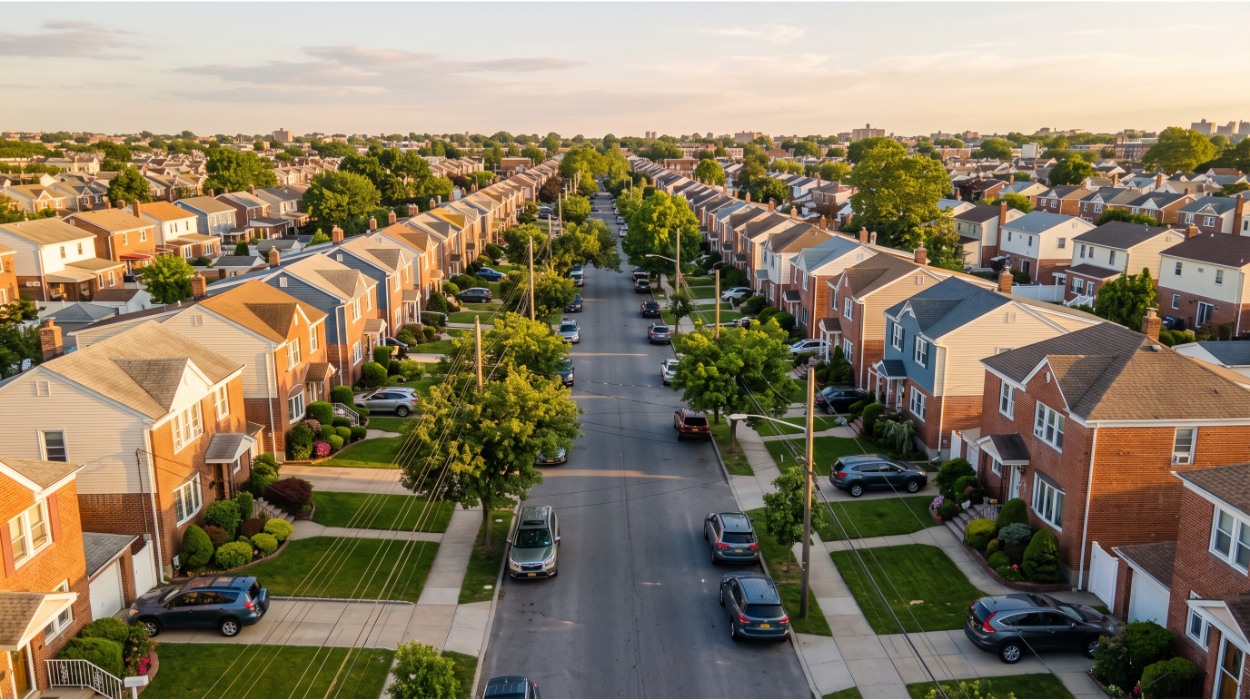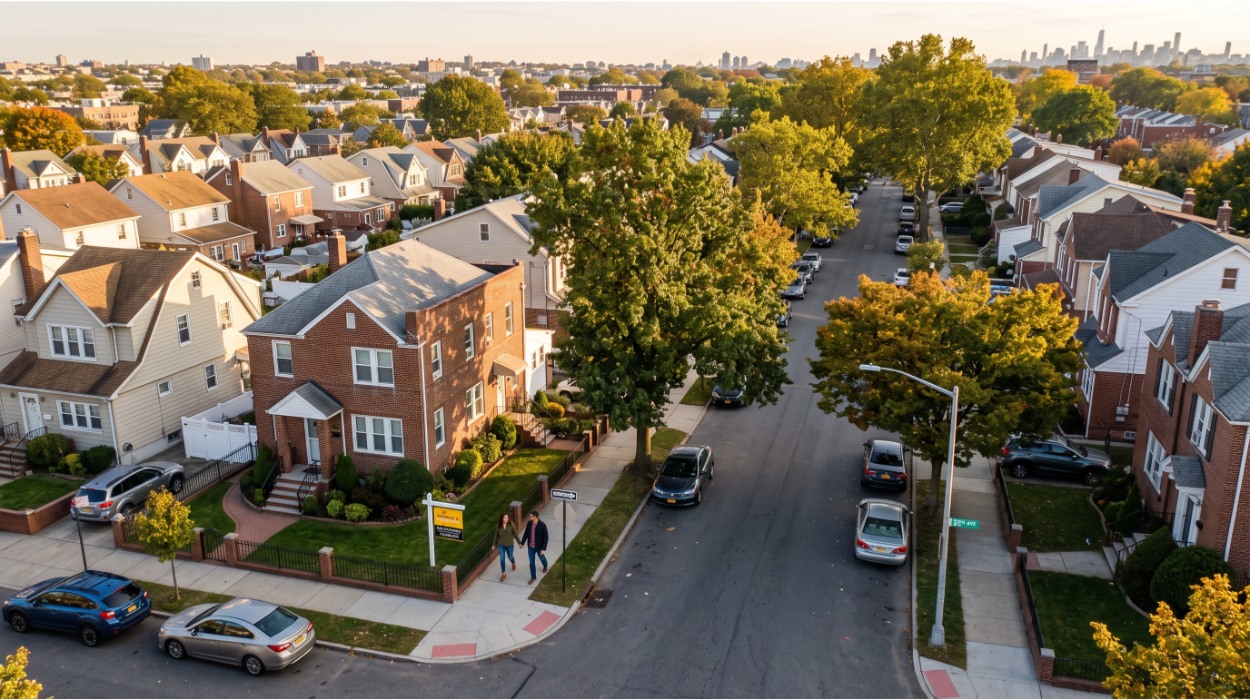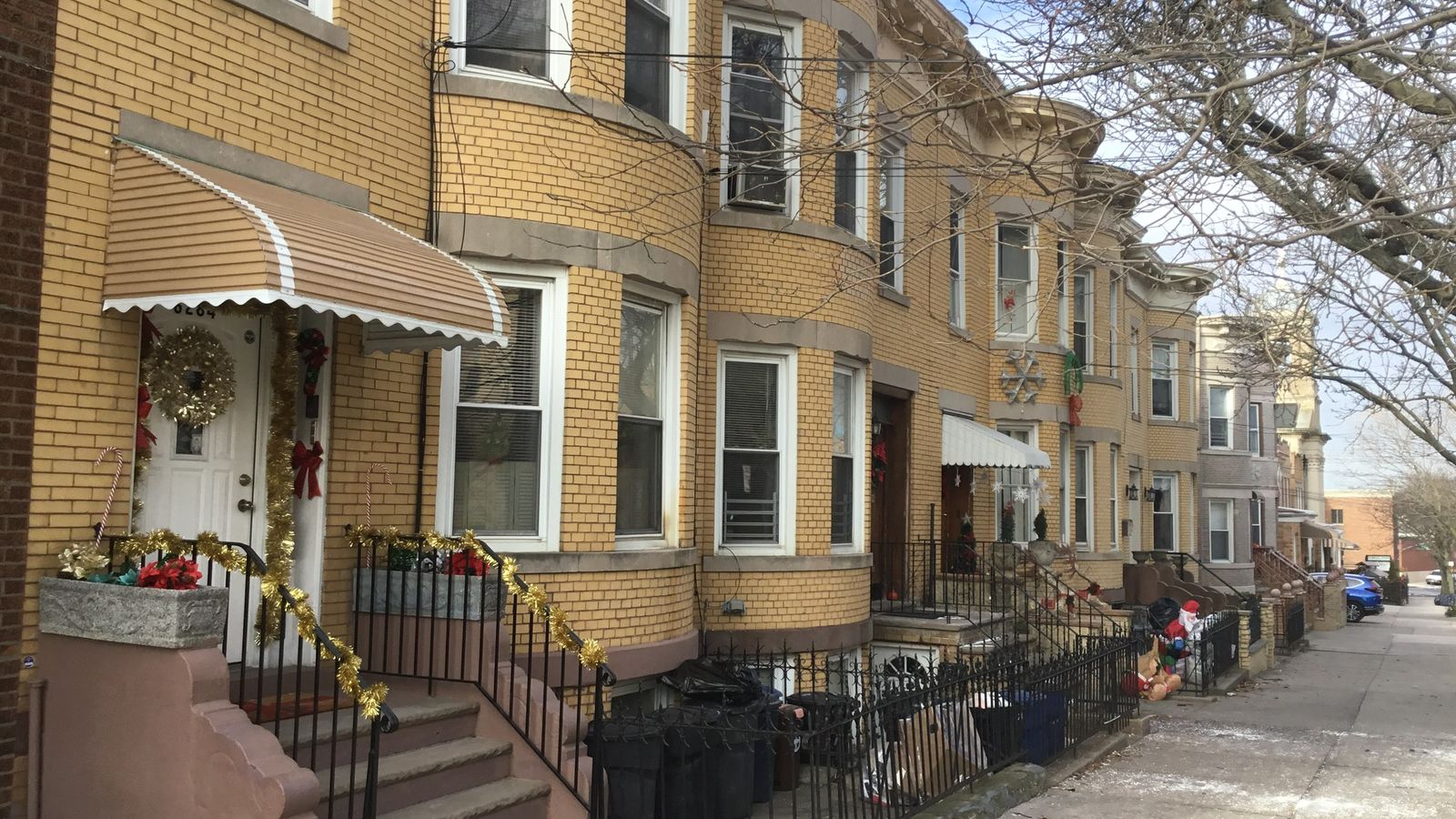
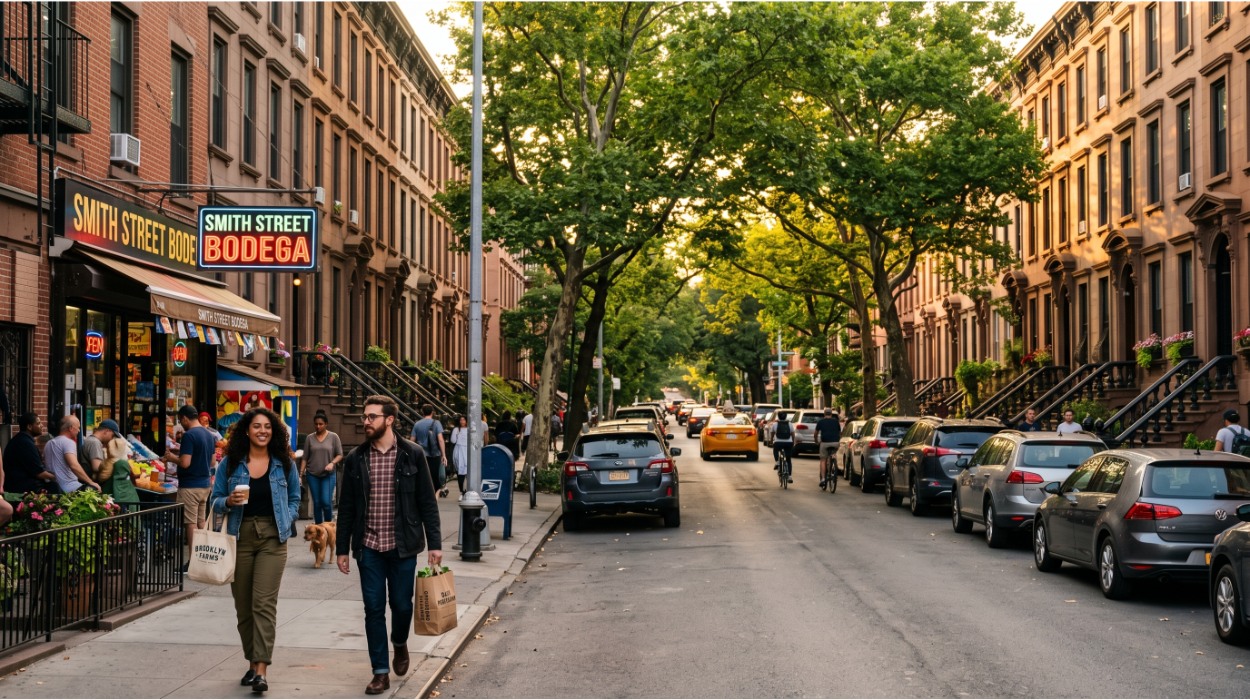
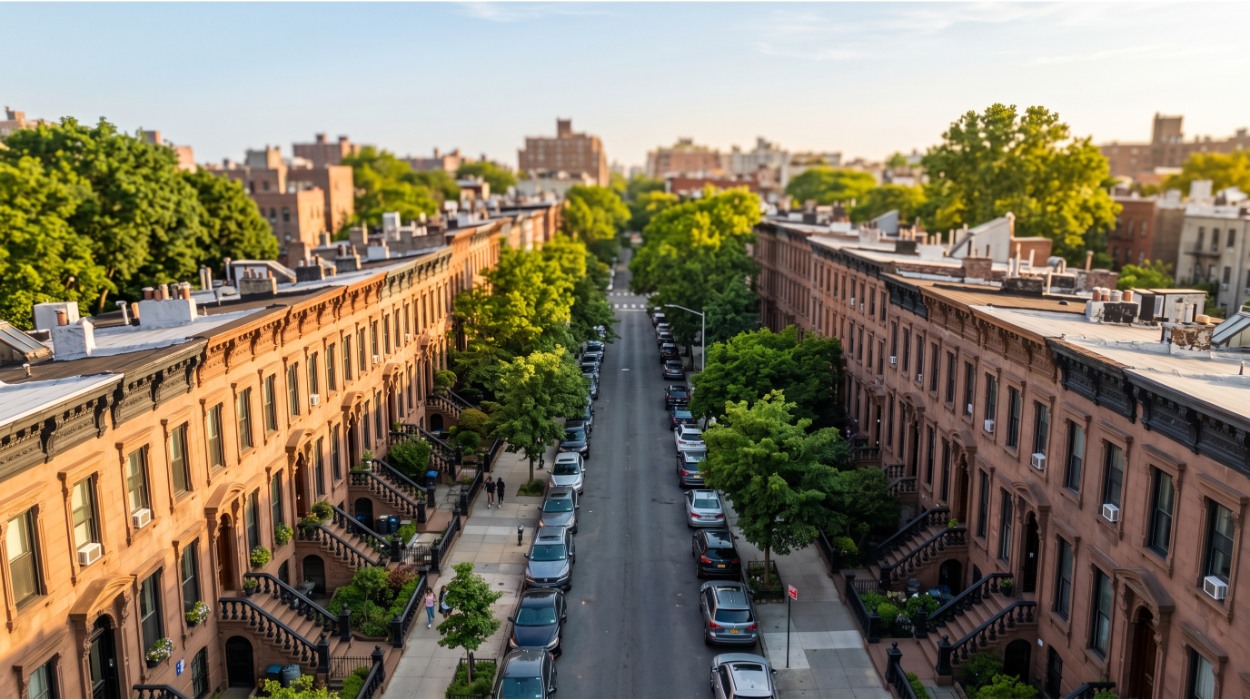

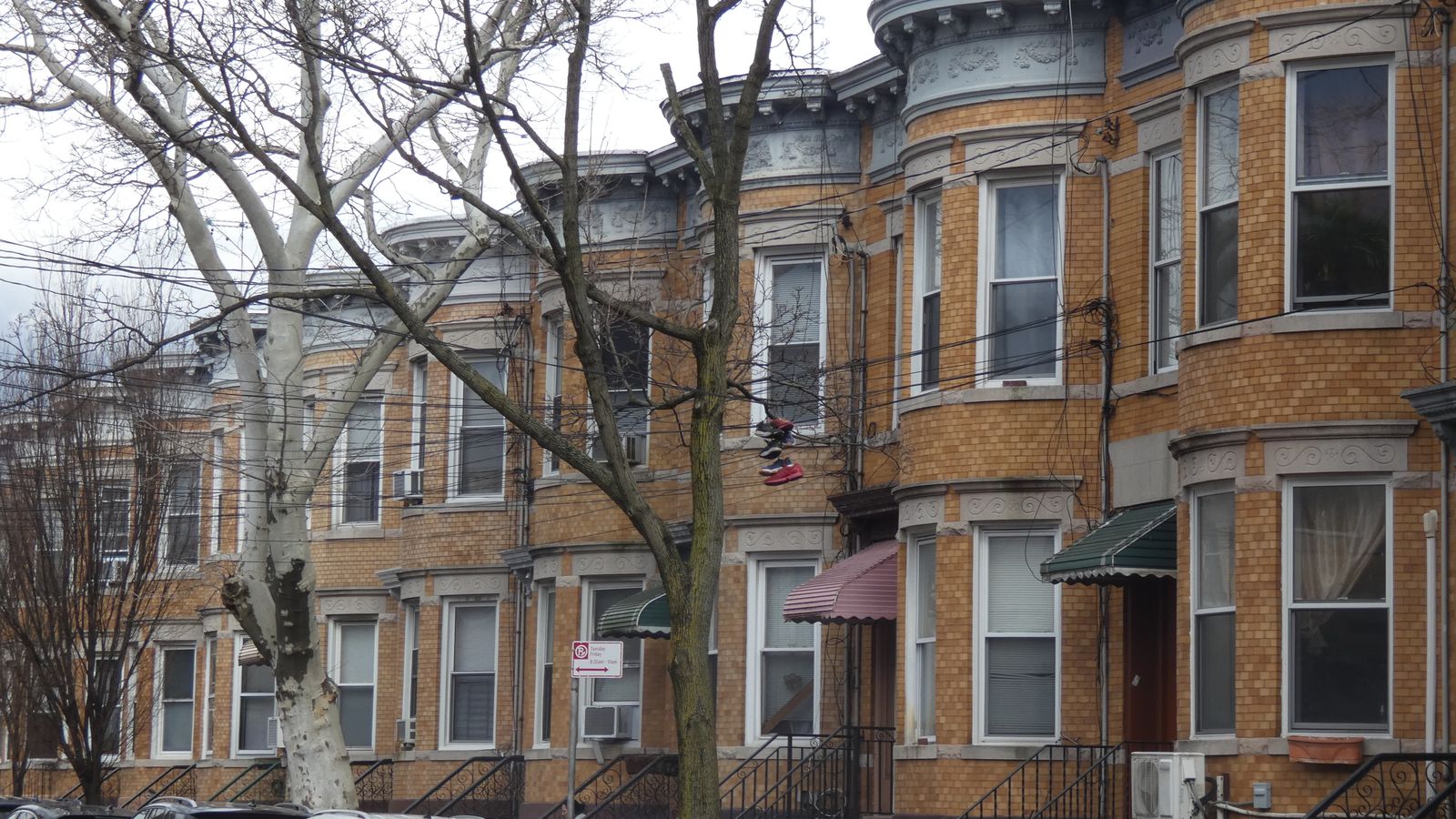
The median home price in Queens runs roughly 57.5% below Brooklyn's. That single stat is why thousands of first-time buyers in Queens NY are searching right now — and why so many of them end up closing when buyers in other boroughs can't.
The price gap doesn't mean you're settling. Queens offers top-ranked school districts (District 26 consistently leads all of NYC), 20+ subway lines, and every property type imaginable. Co-ops averaging around $285K. Single-family homes ranging $850K to $1.1M. Condos, multi-families, and everything in between.
This guide covers everything a first-timer actually needs: 2026 market data, best neighborhoods by budget, closing costs most guides skip, down payment assistance programs worth up to $100K, how to survive the co-op board process, and a month-by-month buying timeline. No sales pitch. Just the numbers, the traps, and the moves that save you money.
Queens NY Real Estate Market in 2026: What the Numbers Say
The median sale price in Queens sits at around $712K as of Q1 2026, up roughly 4.2% year over year. Homes spend an average of 34 days on market. Inventory hovers at around 2.8 months of supply — leaning toward sellers, but not extreme.
Those headline numbers only tell part of the story. Prices vary dramatically by property type.
| Property Type | Price Range | Notes |
|---|---|---|
| Co-op | ~$180K – $500K | Most accessible entry; board approval required |
| Condo | ~$400K – $750K | No board; higher closing costs |
| Single-family | ~$850K – $1.1M | Full ownership; varies by neighborhood |
| 2–3 family | ~$900K – $1.4M+ | Rental income potential offsets mortgage |
Geography matters just as much. South Queens single-family homes (Jamaica, Springfield Gardens) sell in the $620K to $850K range. Move to North or Central Queens and you're looking at $850K to $1.15M. Northeast Queens commands a premium at $950K to $1.4M, driven largely by top school districts.
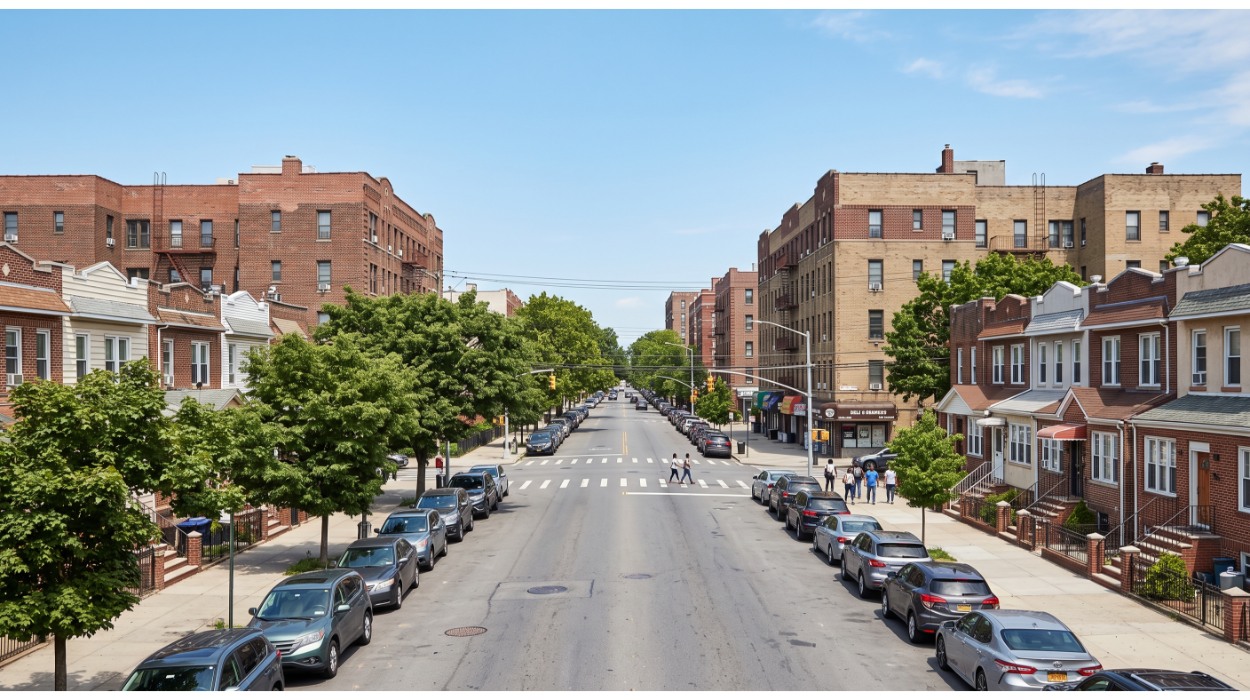
How Much Can You Afford to Buy in Queens Right Now?
Affordability in Queens in 2026 depends on three variables: your gross income, your down payment amount, and the current interest rate environment. Here's how they interact.
A standard rule of thumb is that your monthly housing costs (mortgage, taxes, insurance, maintenance) shouldn't exceed 28% to 31% of gross monthly income. On a household income of around $120K, that's roughly $2,800 to $3,100 per month in housing costs. Depending on your down payment, that supports a purchase price roughly in the $450K to $550K range — which puts co-ops and entry-level condos in reach.
Before touring anything, get a pre-approval letter from a lender. Not a pre-qualification — a pre-approval, with income and asset documentation verified. Queens sellers and co-op boards both expect this upfront, and without it, your offer won't be taken seriously.
Best Queens Neighborhoods for First-Time Buyers by Budget
Your budget, commute tolerance, and school preferences will narrow 90+ Queens neighborhoods down to a handful. Here's how to organize the options.
Most Affordable Entry Points (Under $550K)
Jamaica (ZIP 11432) posts a median around $575K with strong annual appreciation. Woodhaven comes in near $610K with solid year-over-year growth. Sunnyside was the most-searched Queens neighborhood in early 2026, with asking prices averaging around $475K — a 25-minute 7 train ride to Midtown drives that demand. For the absolute lowest barrier, Kew Gardens co-ops trade in the $240K to $320K range.
Best Value Plus Transit Access ($550K–$750K)
Ozone Park, Richmond Hill, and Jackson Heights deliver solid value with multiple subway lines. Jackson Heights alone has the 7, E, F, M, and R trains, putting Midtown within 30 minutes. Richmond Hill offers the J and A lines with median prices below the Queens-wide average. These neighborhoods also feature some of the most diverse dining in the country — from Jackson Heights' Little India to Richmond Hill's Indo-Caribbean strip along Liberty Avenue.
Top Schools — District 26 ($740K–$1.1M)
Bayside runs $740K to $950K. Douglaston and Little Neck sit at similar or higher levels. You're paying a clear premium, but District 26 schools rank among the best in all of New York City. For families prioritizing education, the extra cost often pays for itself by avoiding private school tuition averaging $15K to $30K per year.
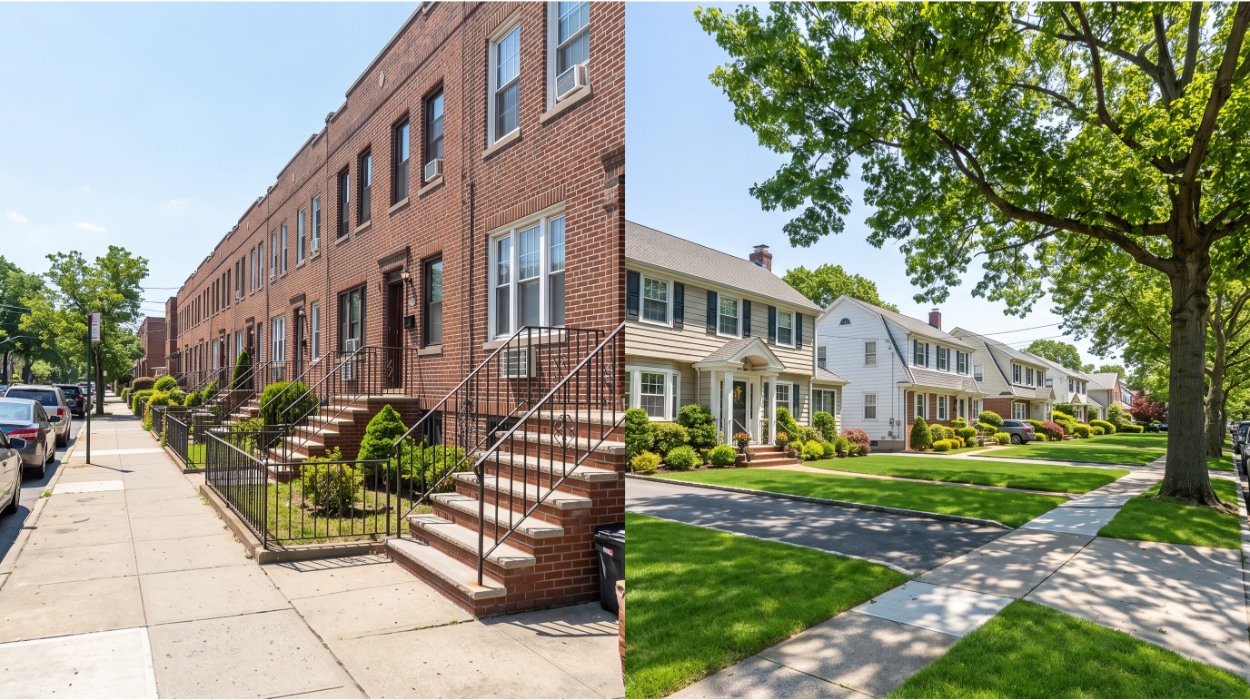
For a deeper neighborhood comparison, see our 10 best neighborhoods in Queens for home buyers and most affordable neighborhoods in Queens guides.
Most Queens first-timers overpay $20K–$50K by skipping agent representation on co-op deals — or miss $100K in grants they qualified for.
Get matched with a licensed Queens buyer's agent at no cost. We'll walk you through every program you qualify for.
Mon – Sat · 9 AM – 7 PM ET
Co-op vs. Condo vs. Single-Family: Which Is Right for You?
Most Queens listings under $400K are co-ops, not condos. And buying one is a fundamentally different process.
Co-ops — Best for Budget-First Buyers
The average Queens co-op sells for roughly $285K — about 15% to 25% cheaper than a comparable condo. But you're not buying real property. You're purchasing shares in a corporation that owns the building, plus a proprietary lease for your unit.
The upside: lower closing costs (roughly 1% to 3% of purchase price), no Mortgage Recording Tax, no title insurance. The trade-off: board approval is required, financial requirements are stricter, subletting is usually restricted or banned. Most co-ops also require a minimum 20% down payment, which limits loan options.
Condos — Best for Flexibility
You own your unit outright. You can rent it out with fewer restrictions. No board interview. FHA loans are eligible (most co-ops don't accept FHA). The cost: higher purchase prices and closing costs in the 3% to 6% range. You also pay Mortgage Recording Tax, which adds 1.55% to 1.675% on top of your loan amount.
Single-Family Homes — Best for Space and Long-Term Equity
Full ownership, outdoor space, no board, no maintenance fees bundled in. The entry price is higher ($850K to $1.1M in most Queens neighborhoods), but you're building equity on real property with full control. Two- and three-family homes in this range offer the added benefit of rental income that can offset your mortgage significantly.
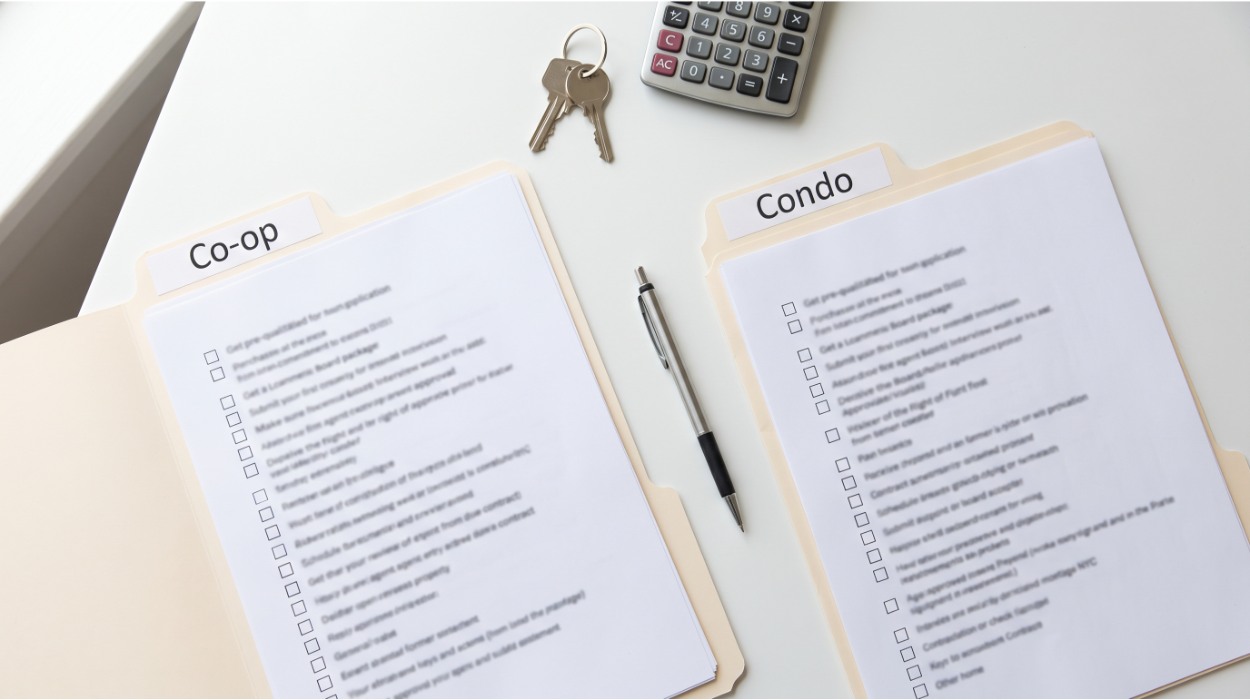
How to Decide
- You plan to stay 5+ years
- You have stable W-2 income
- You want the lowest entry price and closing costs
- You have 20% down + 12–24 months post-closing liquidity
- You have freelance, gig, or 1099 income
- You want to rent the unit out
- You're using an FHA loan
- You want certainty of closing on schedule
Closing Costs in Queens: What First-Timers Actually Pay
You saved enough for the down payment. Then your attorney tells you closing costs will add another $15K to $40K on top. This is the expense that catches first-timers off guard.
Condos and Houses: Roughly 3% to 6% of Purchase Price
The biggest line item is the Mortgage Recording Tax (MRT). For loans under $500K, MRT runs 1.55%. For loans at $500K or above, it's 1.675%. This is a tax you pay to the city for recording your mortgage — it applies to every condo and house purchase, but not to co-ops.
Add title insurance ($3K to $6K on a typical Queens purchase), attorney fees (typically $3K to $8K), and various recording and application fees.
Co-ops: Roughly 1% to 3% of Purchase Price
Co-ops skip MRT entirely because you're not recording a mortgage on real property. No title insurance either. That saves roughly $5K to $10K compared to a condo at the same price. You will still pay attorney fees, application fees, and a co-op move-in deposit (typically $500 to $1,000, usually refundable).
The Mansion Tax — Don't Get Surprised
Any purchase at $1M or above triggers a Mansion Tax starting at 1%, with tiers climbing to 3.9% on properties above $25M. This hits Northeast Queens single-family buyers most often. On a purchase near the $1M mark, even a small price difference can trigger or avoid this tax — worth discussing with your attorney before making an offer.
Down Payment Assistance Programs for Queens First-Time Buyers
What if you could get up to $100K toward your down payment — forgivable over 10 years? These programs exist and most first-time buyers in Queens never use them because they don't know to apply early enough.
HPD HomeFirst — Start Here
HPD HomeFirst provides up to $100K as a forgivable loan. Ten percent is forgiven each year you stay in the home. After 10 years, you owe nothing. Income limits are set at 120% of Area Median Income — roughly $203,520 for a family of four as of mid-2026. You must use an HPD-approved housing counseling agency and an HPD-approved lender. Mortgage brokers generally don't qualify. A minimum 3% personal down payment contribution is also required.
Practical tip: Start with the counseling agency first. The counseling itself takes four to six weeks, so begin this process before you start house hunting. Buyers who find a home they love, then discover they haven't started HPD counseling, routinely lose it to better-prepared buyers.
SONYMA — Stack on Top of HomeFirst
The State of New York Mortgage Agency offers below-market mortgage rates plus up to roughly $15K in deferred down payment assistance. Income limit is approximately $172K for one to two persons. This can be layered on top of HomeFirst for eligible buyers — potentially combining $100K from HPD with $15K from SONYMA.
Conventional Low-Down Options
FHA loans require just 3.5% down with a 580+ credit score — but FHA doesn't work for most co-ops. For co-op buyers, look at HomeReady or Home Possible programs offering 3% down with cancellable PMI. Once you hit 20% equity, PMI drops off, unlike FHA's lifetime mortgage insurance premium.
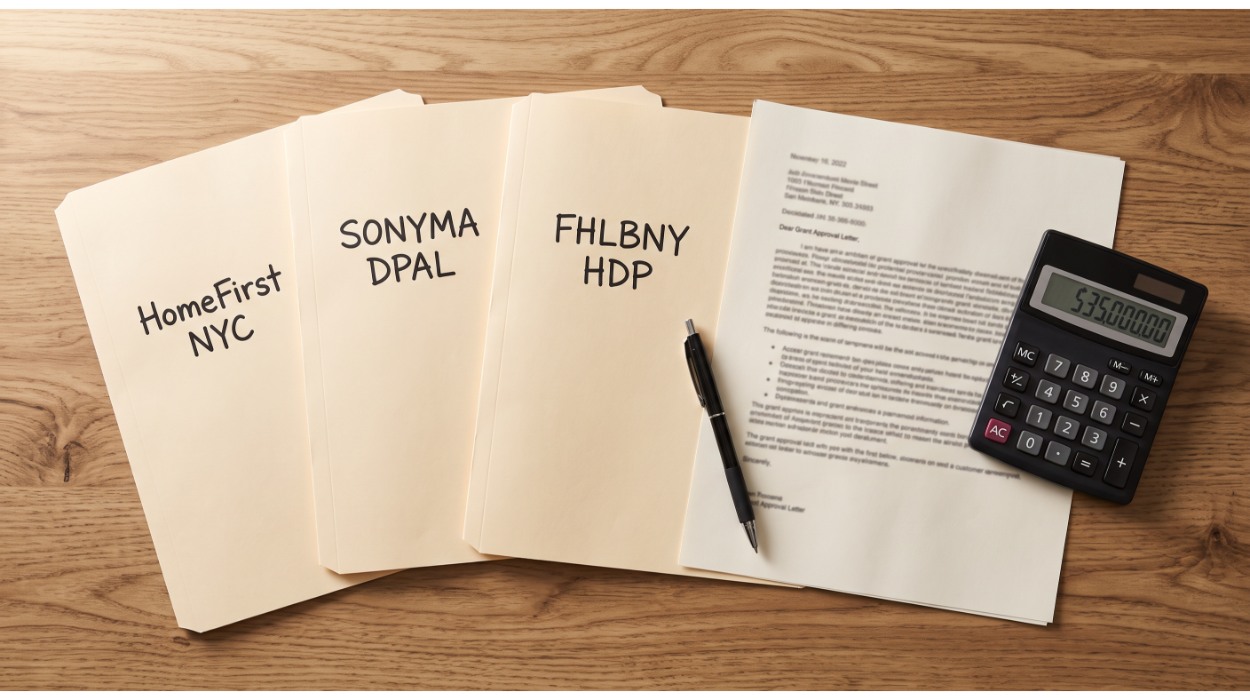
For a step-by-step breakdown of stacking these programs, see our NYC down payment assistance guide.
How to Survive the Queens Co-op Board Approval Process
Co-op boards can reject you without giving a reason. Roughly 20% of co-op rejections may involve suspected discrimination, according to NYC Public Advocate data. The process can feel opaque, but preparation makes a significant difference.
Timeline and Requirements
Expect four to eight weeks from complete package submission to a decision. NYC law now requires boards to acknowledge receipt within 15 days and issue a decision within 45 days of a complete application.
Boards typically require a minimum 20% down payment. Your debt-to-income ratio should be at or below 25% to 28%. Most boards want 12 to 24 months of post-closing liquidity — cash reserves left over after your down payment and closing costs. For a $300K co-op with 20% down, that means roughly $30K to $60K in liquid assets beyond your down payment and closing costs.
Who Gets Extra Scrutiny
Self-employed and gig workers with irregular income face the most pushback. Foreign nationals, buyers with thin credit histories, and first-timers with minimal savings beyond closing costs also get flagged more often.
How to Prepare
Organize two or more years of tax returns. Pull two to three months of bank statements and make sure there are no large unexplained deposits. Gather reference letters from employers, landlords, and professional contacts.
For the interview itself, keep answers short and factual. Boards want to confirm you're financially stable and will be a reasonable neighbor. Don't volunteer information about renovation plans, pets, or roommates unless asked directly.
Step-by-Step Buying Timeline: Offer to Close in Queens NY
New York State has a longer closing timeline than most of the country. Plan for 60 to 90 days from accepted offer to closing on a condo or house — and 90 to 120 days for a co-op due to the board approval process. Here's what happens each month.
Get pre-approved (not just pre-qualified). Start HPD counseling if you plan to use HomeFirst. Set your neighborhood shortlist and property type. Hire a buyer's attorney — you'll need one in New York State regardless of property type.
Tour properties, make offers, negotiate. In Queens' 34-days-on-market environment, move quickly on listings you like. Submit your pre-approval letter with your offer. For co-ops, review the building's financial statements (from the last two years) before going to contract.
Your attorney reviews and negotiates the purchase contract. You'll pay a down payment deposit (typically around 10%) into escrow at signing. Schedule your home inspection before or immediately after signing.
Submit your full mortgage application. For co-ops, simultaneously assemble your board package (financials, reference letters, application). Submit the complete board package as soon as your mortgage is approved.
Board reviews your package (15-day acknowledgment, 45-day decision under NYC law). For condos and houses, you'll receive your clear-to-close from the lender. Schedule closing date once board approval and lender clearance are both confirmed.
Bring a cashier's check or wire transfer for closing costs and remaining down payment. Review and sign all documents. Receive your keys. Budget a full day — Queens closings often run three to five hours.
Flood Zones in Southern Queens: What Buyers Must Know
Hurricane Sandy pushed a 10-foot storm surge from Jamaica Bay into Howard Beach, Broad Channel, and Far Rockaway in 2012. FEMA still classifies these neighborhoods as high-risk flood zones — and they overlap with some of the more affordable single-family inventory in Queens, which is exactly why they attract first-time buyers.
Flood insurance in high-risk zones runs roughly $1,400 to $2,100 per year. If you're using a federally backed mortgage, flood insurance is mandatory in FEMA-designated zones. That adds roughly $120 to $175 per month to your housing costs — a number that doesn't show up in your mortgage payment calculator.
Queens vs. Brooklyn vs. Bronx: Where First-Timers Get the Best Value
Brooklyn's median runs roughly 57.5% above Queens. The Bronx is cheaper but appreciating at 16% to 18% year over year — how long before that gap closes?
- Median around $712K, appreciating ~4.2% annually
- Best public school districts in NYC (District 26)
- Widest housing diversity: co-ops, condos, single- and multi-family
- Strong subway coverage across most neighborhoods
- 2.8 months inventory — competitive but manageable
- Median roughly 57.5% above Queens
- Multiple-offer situations common in desirable areas
- Strong long-term appreciation and brand premium
- Most neighborhoods out of reach under $900K
- Cheapest entry point; co-ops and condos under $250K
- Surging at 16%–18% annually — discount narrowing fast
- Fewer top-ranked school districts
- Transit strong in corridors, sparse in eastern sections
Common Mistakes Queens First-Time Buyers Make
One buyer moved $10K between bank accounts during underwriting. It delayed their closing by three weeks while lenders verified the source of funds. Every one of these mistakes is avoidable.
Related Queens Buying Guides
- Homes for Sale in Queens NY — Full property type breakdown, real 2026 listing data, and neighborhood-by-neighborhood price comparisons
- 10 Best Neighborhoods in Queens for Home Buyers — Ranked by affordability, transit, schools, and buyer profile with honest trade-offs
- Most Affordable Neighborhoods in Queens — 13 neighborhoods ranked by entry price, including specific co-op buildings and LIRR-accessible options
- NYC Down Payment Assistance Programs — How to stack up to $175K in grants and forgivable loans
- Best Neighborhoods in Queens for Families — School pipeline analysis, District 26 vs. District 28 breakdown, monthly ownership cost by neighborhood
Frequently Asked Questions — Queens NY First-Time Buyers
Is Queens a good place to buy a home in 2026?
Yes. Queens real estate offers the best combination of affordability, transit access, and school quality among NYC boroughs. Median home prices run roughly 57.5% below Brooklyn's, with steady annual appreciation. Co-ops in the sub-$300K range make homeownership accessible even on a moderate budget. For first-time buyers, Queens is consistently the most practical entry point into NYC real estate.
What is the average home price in Queens NY in 2026?
The median sale price in Queens as of Q1 2026 is approximately $712K, up roughly 4.2% year over year. Prices vary widely by property type: co-ops average around $285K, condos range from roughly $400K to $750K, and single-family homes run $850K to $1.1M. Your actual target depends on neighborhood and property type.
Are co-ops cheaper than condos in Queens?
Yes. Co-ops are typically 15% to 25% cheaper than comparable condos. The average Queens co-op sells for around $285K. They also carry lower closing costs (roughly 1% to 3% of purchase price vs. 3% to 6% for condos) because you avoid Mortgage Recording Tax and title insurance. The trade-off is board approval requirements and stricter financial scrutiny.
What are the most affordable neighborhoods in Queens for first-time buyers?
Sunnyside leads with asking prices averaging around $475K. Jamaica posts a median near $575K with strong annual appreciation. Woodhaven sits at approximately $610K. For the lowest entry point, Kew Gardens co-ops trade in the $240K to $320K range. All four neighborhoods offer subway access and established commercial strips.
How much are closing costs in Queens NY?
For condos and houses, budget 3% to 6% of the purchase price. For co-ops, budget around 1% to 3%. The biggest variable for condos is Mortgage Recording Tax — 1.55% to 1.675% of your loan amount — which co-op buyers avoid entirely. Attorney fees typically run $3K to $8K regardless of property type.
What is the HPD HomeFirst program and how do I qualify?
HPD HomeFirst offers up to $100K as a forgivable loan toward your down payment. Ten percent is forgiven each year over 10 years. Income limits are set at 120% of Area Median Income (roughly $203,520 for a family of four as of mid-2026). You must complete counseling through an HPD-approved agency, use an HPD-approved lender, and contribute at least 3% from personal funds.
How long does the co-op board approval process take in Queens?
Expect four to eight weeks from complete package submission to a decision. NYC law now requires co-op boards to acknowledge receipt within 15 days and issue a decision within 45 days. The most common causes of delay are incomplete applications, unexplained bank account transfers, and missing tax returns. Have all documents ready before submitting.
How do 2026 interest rates affect buying power in Queens?
Each 1% increase in mortgage rate reduces your buying power by roughly 10% to 11%. At 6.5%, a buyer qualifying for $4,000/month in payments can afford approximately $630K. At 7.5%, that same buyer qualifies for around $565K. Co-ops help here: their lower purchase prices mean smaller loan amounts, so rate sensitivity is reduced compared to condo or single-family purchases.
Sources & Methodology
- NYC Department of Finance, Property Tax Data 2026
- StreetEasy Market Reports, Q1–Q2 2026
- Corcoran Group, Queens Market Report 1H 2026
- HPD HomeFirst Program Guidelines, June 2026
- SONYMA Program Eligibility, 2026
- FEMA National Flood Hazard Layer, Queens County
- NYPD CompStat, Precinct-level crime data Q2 2026
- NYC DOE, District 26 Performance Data 2025–2026
- MTA, Transit coverage and commute data 2026
- NYC Public Advocate, Co-op Discrimination Report